
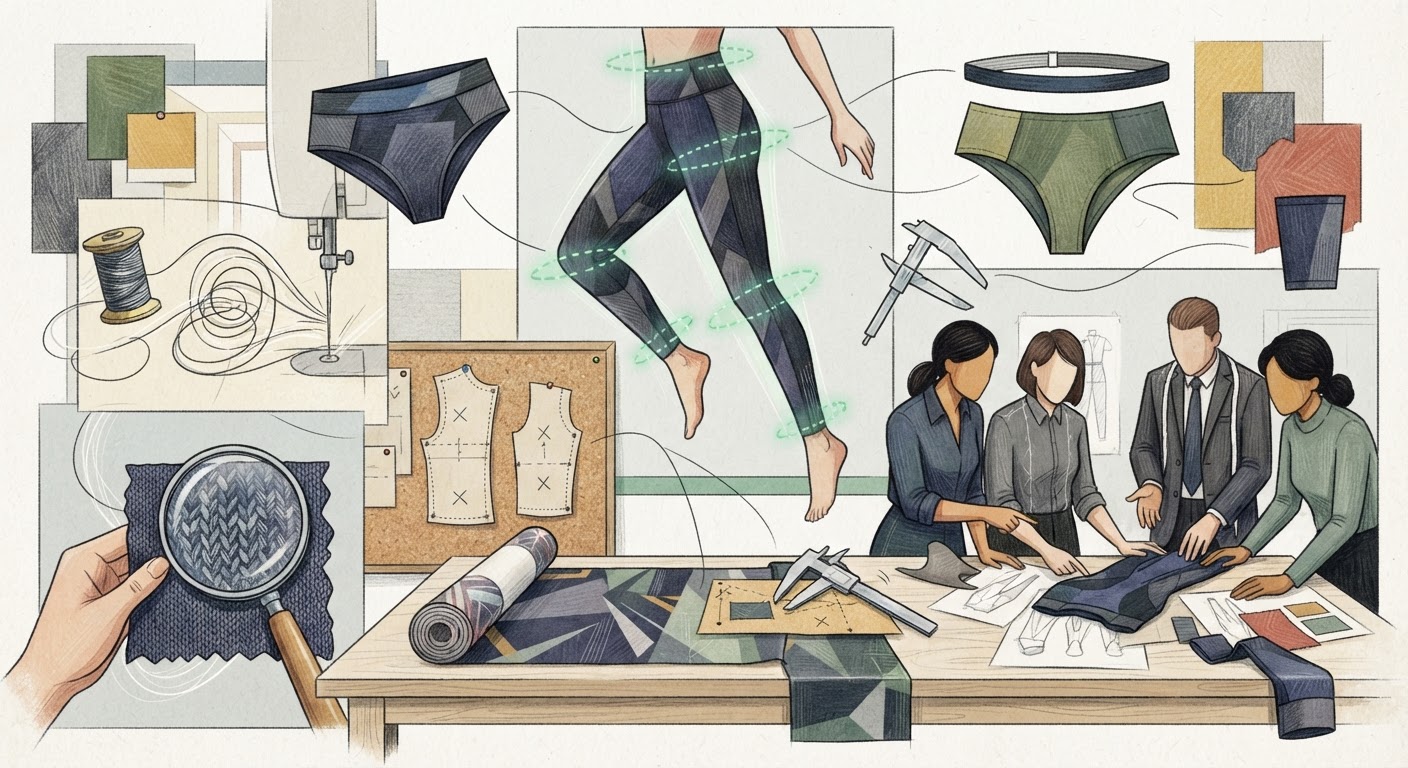
When consumers ask why is sizing so inconsistent across brands, or how are clothing sizes determined in the first place, they are often looking at a complex mix of design choices, material behaviors, and production variables. My professional journey began as a merchandiser for a fabric manufacturer, and I later entered garment manufacturing. This transition from raw textiles to finished apparel highlighted how easily a design concept can drift during physical production if systematic controls are not established.
The Systemic Causes of Sizing Inconsistency
Another major contributor is vanity sizing1, a deliberate marketing tactic used to influence consumer perception by labeling garments with smaller sizes than their actual physical measurements. Over the decades, physical dimensions associated with specific size numbers have shifted upward. Because different brands adopt vanity sizing at different rates and to varying degrees, a consumer may easily wear a Small in one brand and a Large in another.
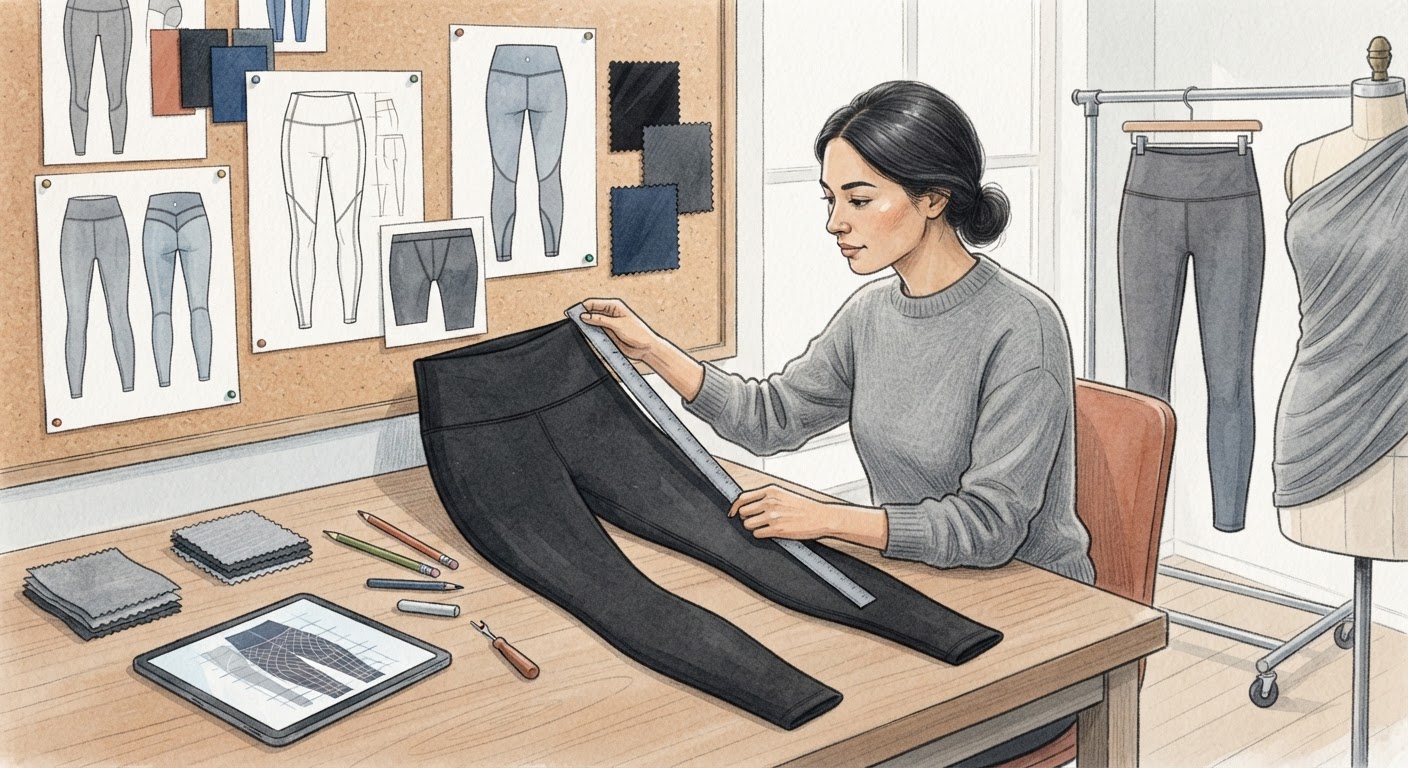
Additionally, the choice of the primary fit model2 introduces immediate variation. Brands develop their initial patterns on a living person whose body shape, posture, and proportions represent their target customer. If a brand changes its fit model between seasons, or uses different models for different product categories, the baseline proportions of the entire line will shift, even if the nominal size chart remains unchanged.
Technical Grading and Manufacturing Tolerances
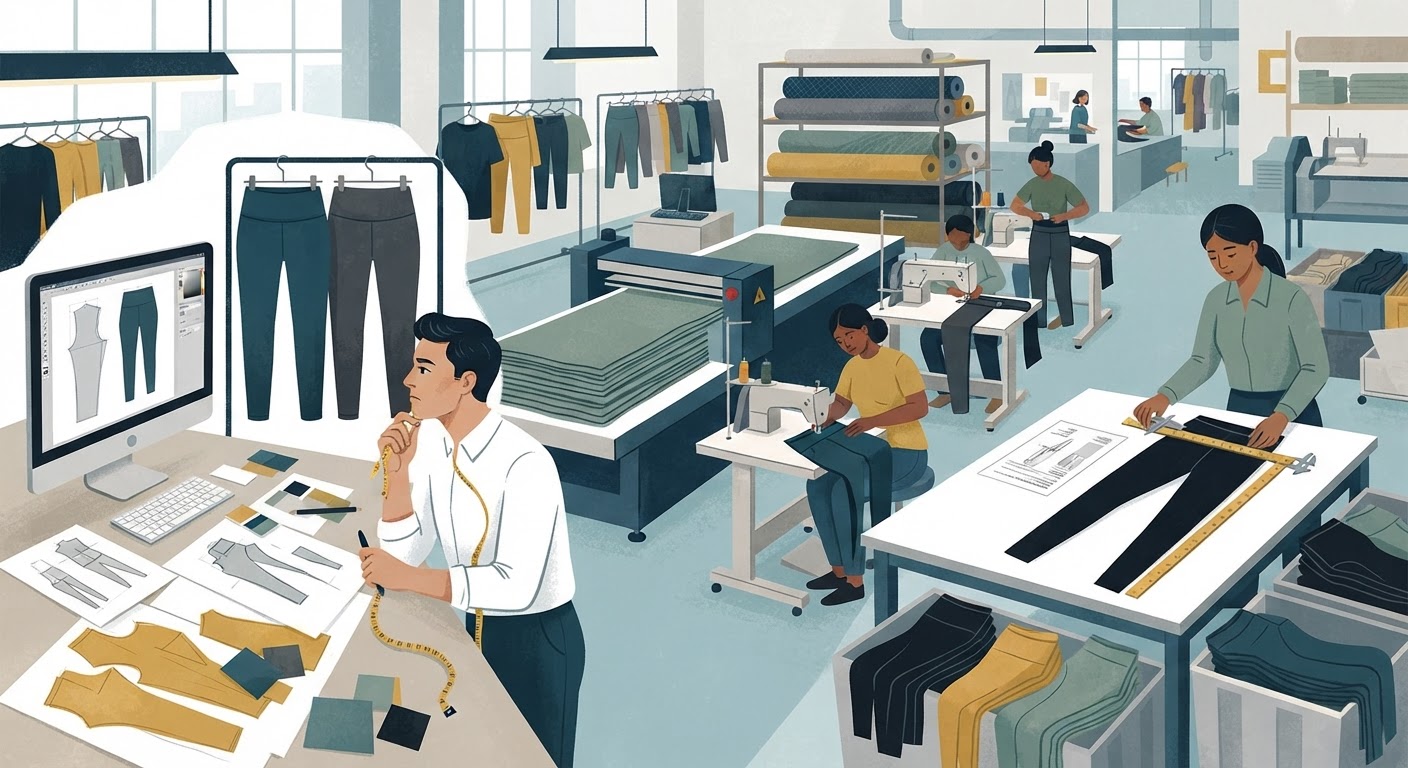
On the factory floor, physical production introduces another layer of variation through manufacturing tolerances. A tech pack specifies exact dimensions, but human operators cutting and sewing fabric cannot achieve mathematical perfection on every stitch. Factories operate within an acceptable tolerance range, which is the allowable deviation from the tech pack specifications.
Fabric characteristics play a significant role in how these tolerances are managed. For example, woven fabrics with zero stretch are highly sensitive to minor cutting or sewing deviations. Conversely, highly elastic materials, such as high-spandex activewear blends, are more forgiving of minor measurement deviations on the body, but they present unique challenges during the cutting and sewing processes. If a stretch fabric is pulled or tensioned unevenly during cutting or sewing, the relaxed garment may end up significantly smaller or larger than intended.
Bridging the Gap: Strategies for Improved Fit Control

A typical industry decision pattern illustrates how these variables interact. Consider a scenario where a brand launches a new activewear collection and receives feedback that the “Medium” size fits differently than in previous seasons. To resolve this, the product team can audit the tech pack to verify grading rules3, review the factory’s quality control logs for tolerance adherence, and compare the fit model used for the new collection against the historical standard.
I recommend that brands implement the following structural strategies to improve fit consistency before bulk production begins:
- Standardize the Fit Model: Compare and verify fit model measurements4 throughout the development process to manage fit drift between seasons. If the physical model is unavailable, verify that any replacement model shares identical critical measurements, including torso length, bust/chest span, and shoulder slope.
- Establish Clear Grading Rules: Compare current grading rules against industry benchmarks to identify discrepancies. Avoid relying on simplified linear grading for complex, form-fitting garments.
- Define Clear Tolerance Limits: Specify acceptable tolerances for every critical measurement point in the tech pack. For rigid fabrics, verify that tolerances match the target specification; for highly elastic materials, compare tension control options during assembly.
- Conduct Physical Wear Testing: Before approving a pattern for bulk production, test the graded samples on real people representing different sizes in your range to verify movement, comfort, and drape.
Managing Supply Chain Consistency
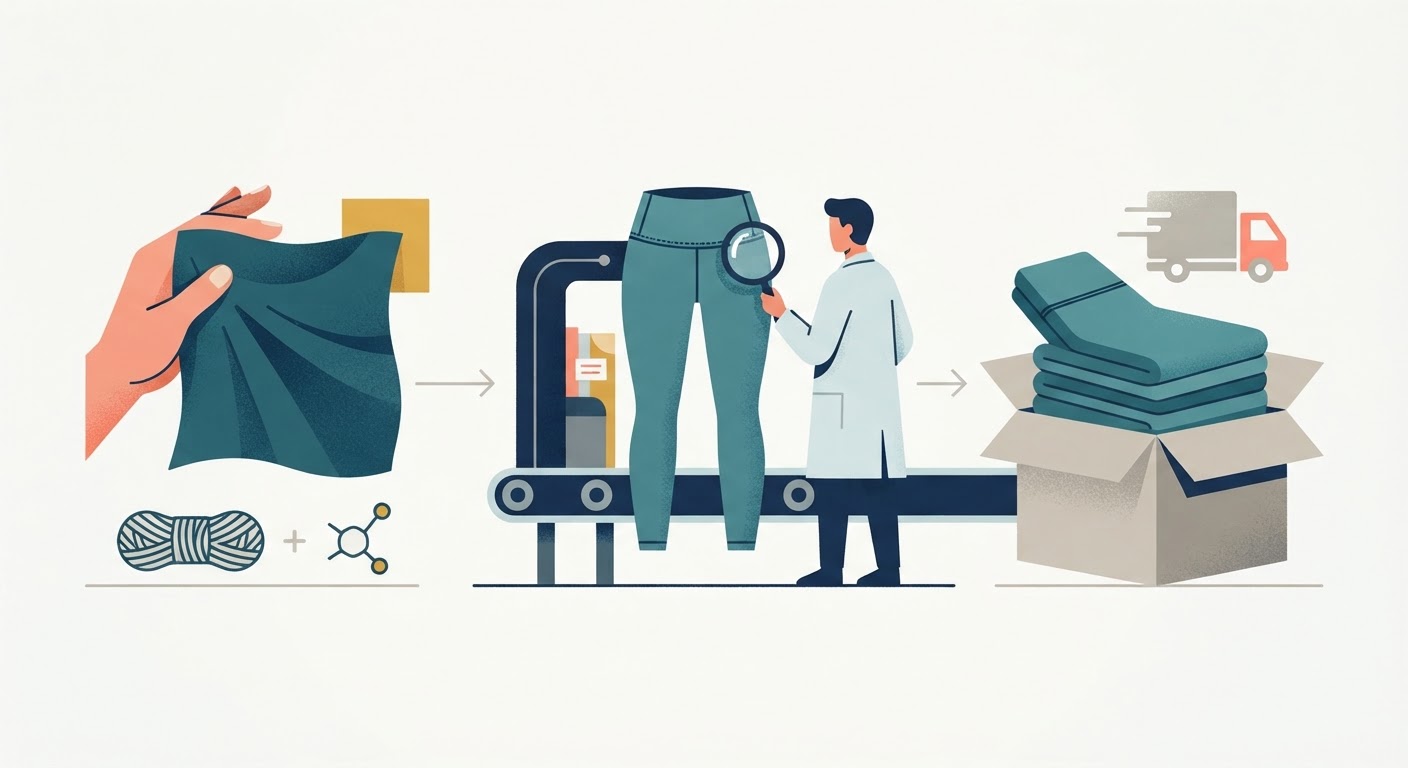
To manage this risk, brands can establish a unified quality control protocol5 across their supply chain.
| Cause of Inconsistency | Operational Impact | Mitigation Strategy |
|---|---|---|
| Inconsistent Grading Rules | Poor fit at the smaller and larger ends of the size run. | Audit tech packs; compare grading rules against demographic benchmarks; perform physical grading reviews. |
| Vanity Sizing Variations | Potential fit variations across different styles. | Standardize size charts across all product categories by reviewing historical fit data and customer feedback. |
| Fabric Tension | Finished garments resting outside of specified tolerances. | Specify fabric relaxation times before cutting; set material-specific tension standards for sewing lines. |
| Factory-to-Factory Variance | Identical styles fitting differently depending on where they were made. | Provide standardized acrylic or metal pattern templates to all factories; audit factory quality control logs. |
When managing multiple production partners, I recommend verifying that each facility uses identical pattern files (such as standardized DXF files) and that their internal quality control teams measure garments using the exact same physical methods. For instance, whether a garment is measured flat, lightly tensioned, or fully extended can be defined in the tech pack. Auditing factory quality control logs helps verify that the tolerance standards established during the sampling phase are monitored during bulk production.
Conclusion
Inconsistent clothing sizes are not an inevitable cost of doing business; they are a technical challenge that can be managed through disciplined product development and rigorous supply chain oversight. By standardizing size charts, refining pattern grading rules, maintaining consistent fit models, and verifying manufacturing tolerances on the factory floor, brands can better align the fit designed in the studio with the finished garment.
-
vanity sizing – Source: Why Are Women’s Clothing Sizes So Inconsistent? — aifitfinderapp.com. ↩
-
fit model – Source: Fit Model – an overview — sciencedirect.com. ↩
-
grading rules – Source: How to Make Pajama Pants? — ljgarment.com. ↩
-
fit model measurements – Source: Studio Faro | Glossary – Pattern Making and related issues. — studiofaro.com. ↩
-
quality control protocol – Source: What Makes Leggings Squat-Proof? A Fabric and Fit Guide for Brands — ljgarment.com. ↩