Are you struggling to find a reliable manufacturing partner who can deliver consistent sizing, high-quality finishes, and ethical production for your brand’s loungewear line?
To make pajama pants for commercial retail, you must select the right fabric, create a graded technical pattern, execute precise cut-and-sew construction, and implement strict quality control. Partnering with an experienced manufacturer ensures consistent fit, durable stitching, and efficient bulk production.
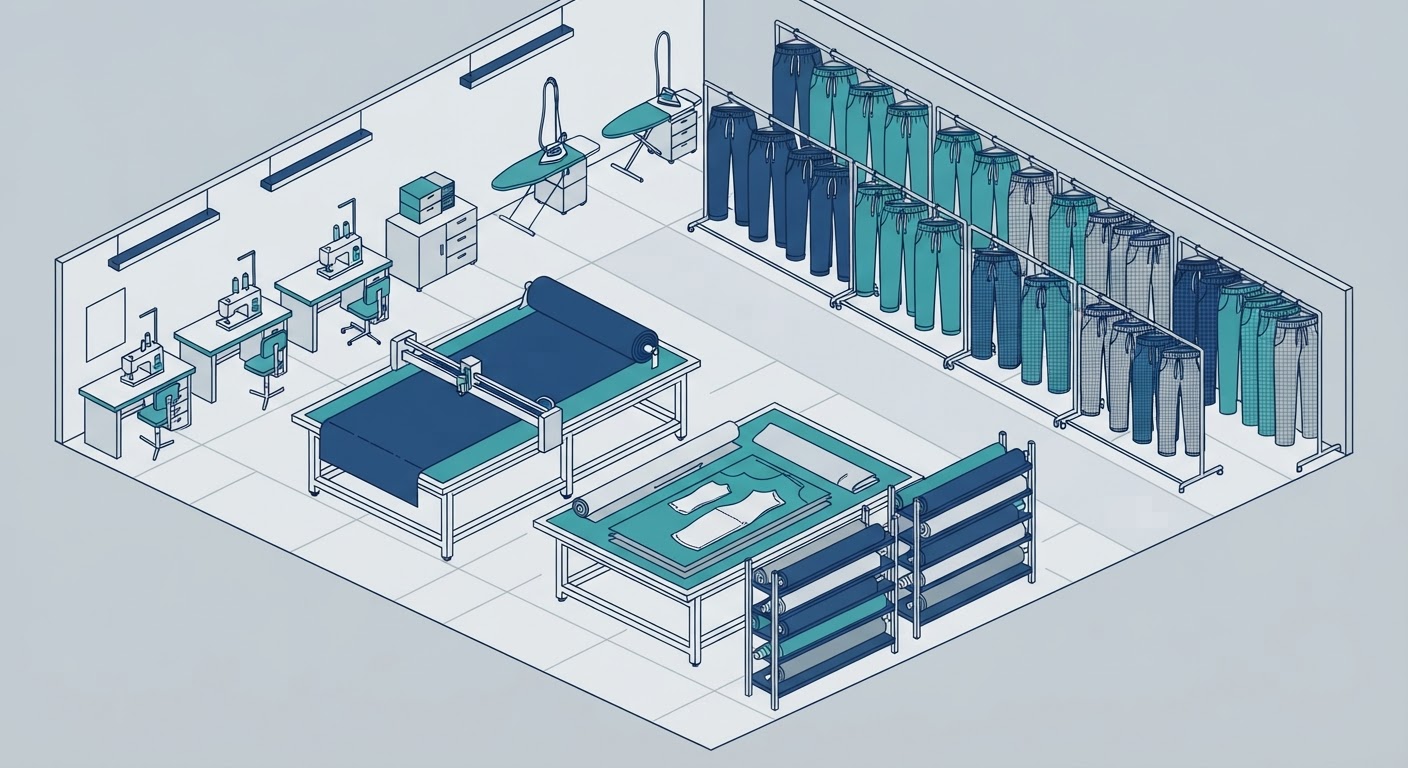
When I work through this decision with sourcing managers like Sarah Chen, I first emphasize that commercial production is vastly different from home sewing. For a mid-sized brand, the transition from design concept to a shelf-ready collection requires a deep understanding of material behavior, pattern grading, and factory-floor efficiency. Below, we break down the critical steps, technical decisions, and supply chain trade-offs involved in commercial pajama pants manufacturing.
What Material Is Best for Pajama Pants?
Selecting the wrong fabric for your sleepwear line can lead to high return rates, poor customer reviews, and inconsistent sizing after washing.
For commercial pajama pants, the best materials are cotton, flannel, modal, and silk, each offering unique trade-offs in breathability, drape, cost, and durability.
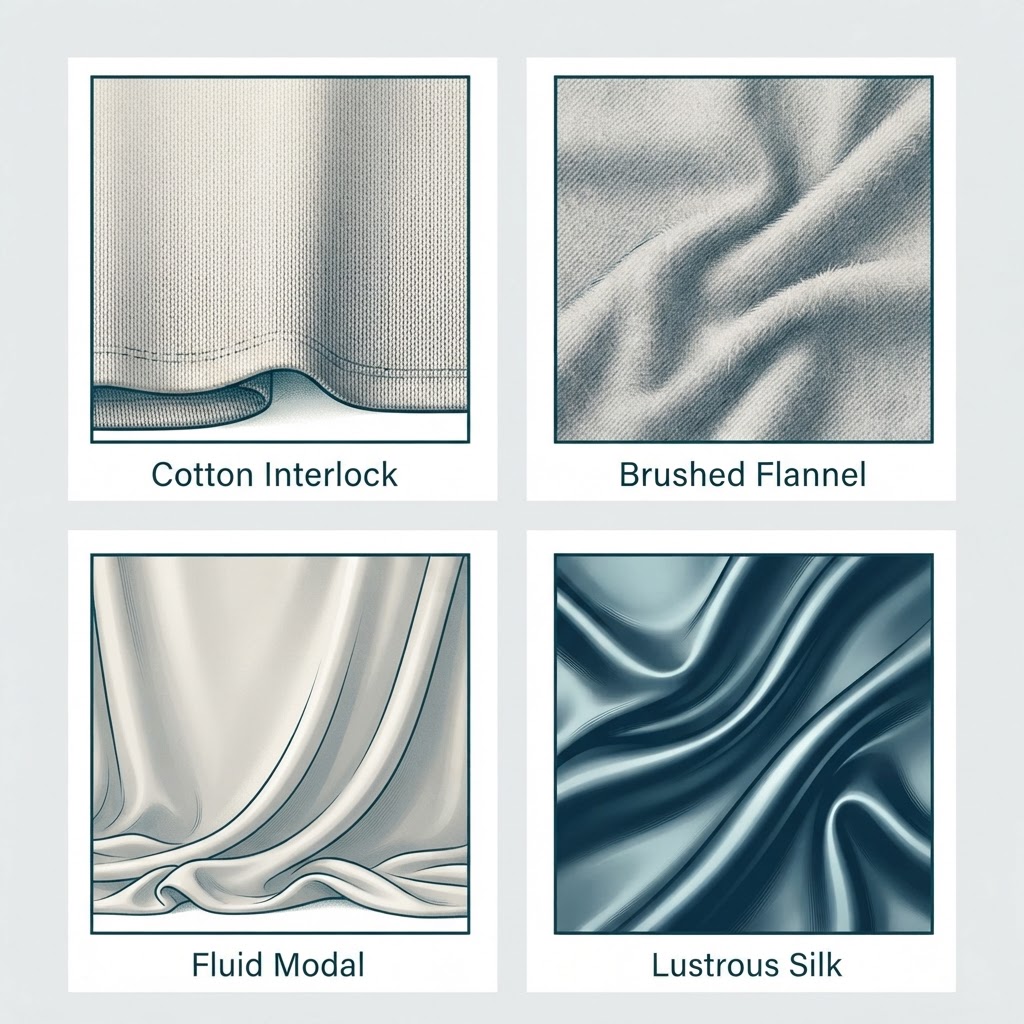
When I helped Sarah Chen compare fabric options for her brand’s upcoming winter line, we analyzed how fiber content affects both production costs and consumer satisfaction. For loungewear, fabric weight, shrinkage rates, and stretch recovery are critical metrics.
Comparing Commercial Pajama Fabrics
| Fabric Type | Key Properties | Best For | Production Considerations |
|---|---|---|---|
| Cotton Interlock | Breathable, moderate stretch, highly durable | Year-round basic collections | Requires pre-shrunk testing to prevent post-wash sizing complaints. |
| Flannel | Warm, brushed texture, structured | Autumn/Winter seasonal lines | High lint production during cutting; requires dedicated machinery cleaning. |
| Modal Blend | Ultra-soft, excellent drape, moisture-wicking | Premium, luxury loungewear | Slippery fabric; requires skilled operators and slower sewing speeds. |
| Silk | Hypoallergenic, luxurious sheen, temperature regulating | High-end boutique lines | Extremely delicate; high material cost and strict quality control needed. |
Fabric Innovation and Sustainability
For modern brands, balancing cost-effectiveness with sustainable practices is essential. Sourcing organic cotton or Tencel modal can elevate your brand’s positioning. However, these materials require certified supply chains. At LJ Garment, we help brands verify their material origins to ensure compliance with international ethical standards.
How Do You Ensure Consistent Sizing and Fit?
Inconsistent sizing across different production runs can ruin a brand’s reputation and lead to costly logistics overhead from customer returns.
To ensure consistent sizing, you must use precise digital pattern grading, account for fabric shrinkage, and conduct extensive fit testing on live models.
One of Sarah’s biggest pain points was managing fit consistency across different fabric batches. When fabric rolls arrive at the factory, their elasticity and shrinkage can vary slightly, even within the same specification.
Addressing the Crotch Fit and Comfort
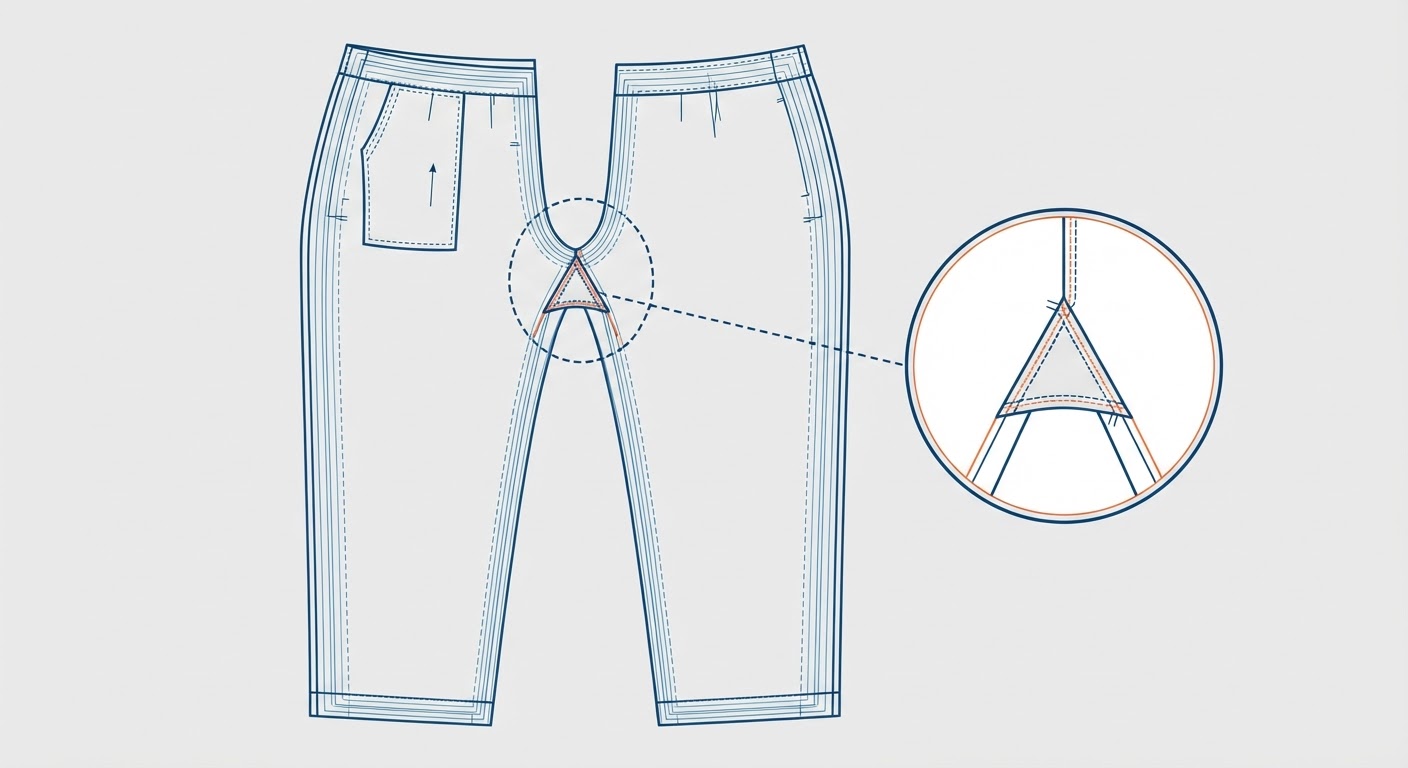
A common issue in loungewear and activewear pants is discomfort or unsightly pulling at the crotch area. Based on our manufacturing experience at LJ Garment, this issue cannot always be completely resolved for every single body type because a single pattern or size run cannot fit everyone perfectly.
The typical causes of crotch fit issues include:
- Incorrect product sizing or pattern drafting.
- Fabric thickness, stretch percentage, and recovery performance.
To mitigate these issues during the early sampling stage, we focus closely on the fit of the crotch area. Having individuals with different body shapes try on the prototypes is the most effective way to resolve pattern and sizing issues before bulk production. Additionally, incorporating structural elements such as a small gusset, a triangular gusset, or a diamond gusset can significantly reduce pulling and improve overall comfort.
Sizing Verification Checklist for Buyers
- Shrinkage Testing: Always wash fabric swatches before cutting to calculate the exact shrinkage allowance for the pattern.
- Tolerance Specification: Define a strict tolerance limit (e.g., +/- 1cm) in your tech pack for key measurements like the waist, hips, and inseam.
- Grading Rules: Ensure your grading rules scale proportionally for plus sizes, rather than just adding inches to the waist.
What Are the Key Steps in Commercial Pajama Pants Production?
Managing a complex international supply chain requires clear visibility into each stage of the manufacturing process to avoid costly delays.
Commercial pajama pants manufacturing involves five main phases: tech pack finalization, fabric sourcing and testing, bulk cutting, automated and manual sewing, and final quality finishing.
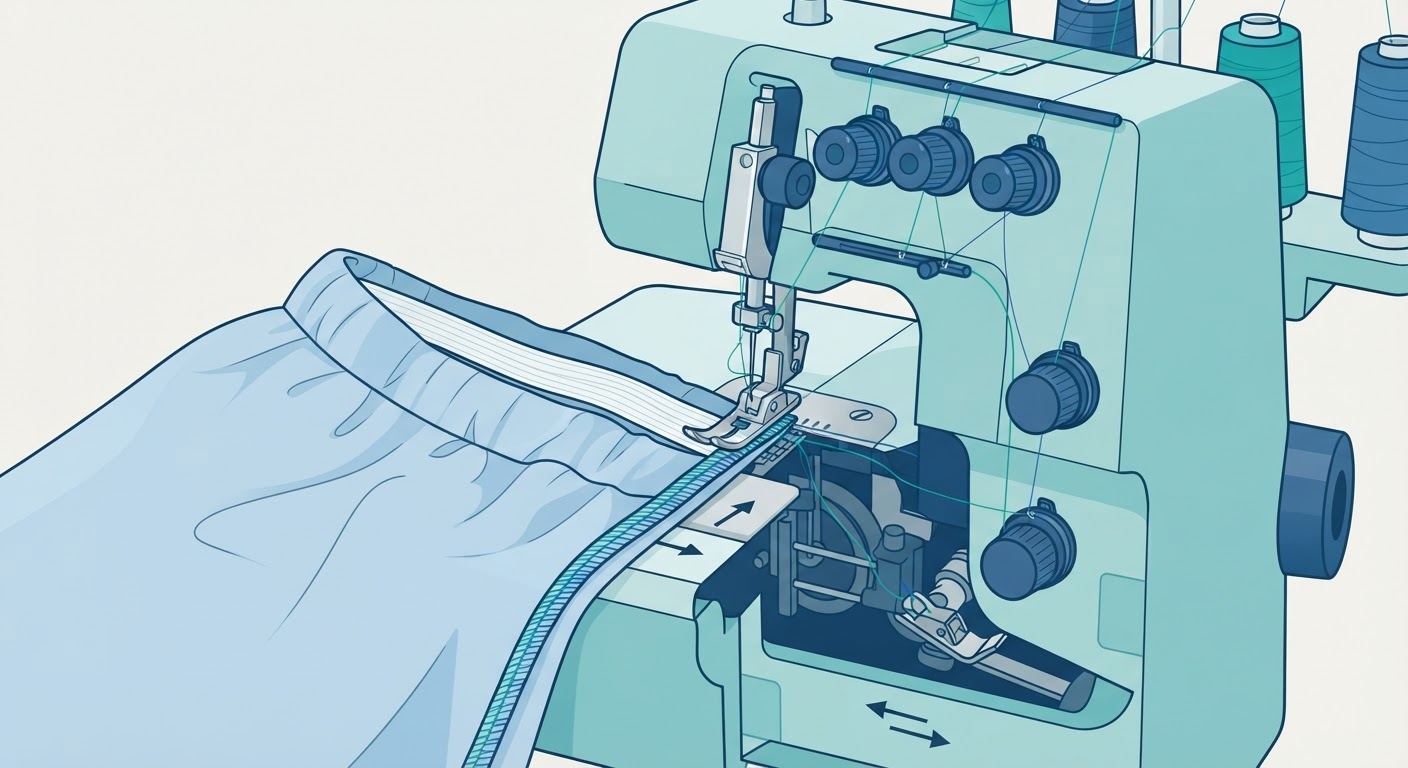
Understanding the production workflow helps sourcing managers plan their product launches and manage lead times effectively. Here is how a professional factory handles bulk production.
The 5-Step Production Workflow
- Tech Pack and Pattern Digitization: We convert your design sketches into digital patterns and create the initial size grading.
- Fabric Inspection and Relaxing: Knit fabrics are unrolled and allowed to relax for 24 to 48 hours to prevent shrinkage after cutting.
- Precision Cutting: Computer-aided design (CAD) software optimizes the fabric layout to minimize waste before automated cutting machines slice the panels.
- Assembly Line Sewing: Specialized machines handle different seams. For example, overlock machines sew the side seams, while specialized waistband folders insert the elastic.
- Finishing and Packaging: Garments undergo thread trimming, steam pressing, final measurement checks, and individual packaging.
Production Metrics and Planning
For commercial runs, the Minimum Order Quantity (MOQ) typically depends on the fabric dyeing minimums. If you use stock colors, MOQs can be lower. For custom-dyed fabrics, expect higher MOQ requirements. Lead times generally range from 30 to 45 days after sample approval, depending on the complexity of the design and fabric availability.
Conclusion
Manufacturing high-quality pajama pants requires balancing fabric selection, precise pattern grading, and rigorous quality control. By focusing on fit testing and partnering with an experienced cut-and-sew manufacturer, brands can achieve consistent production success.