Sourcing Legging Fabrics: A Guide for Activewear Brands
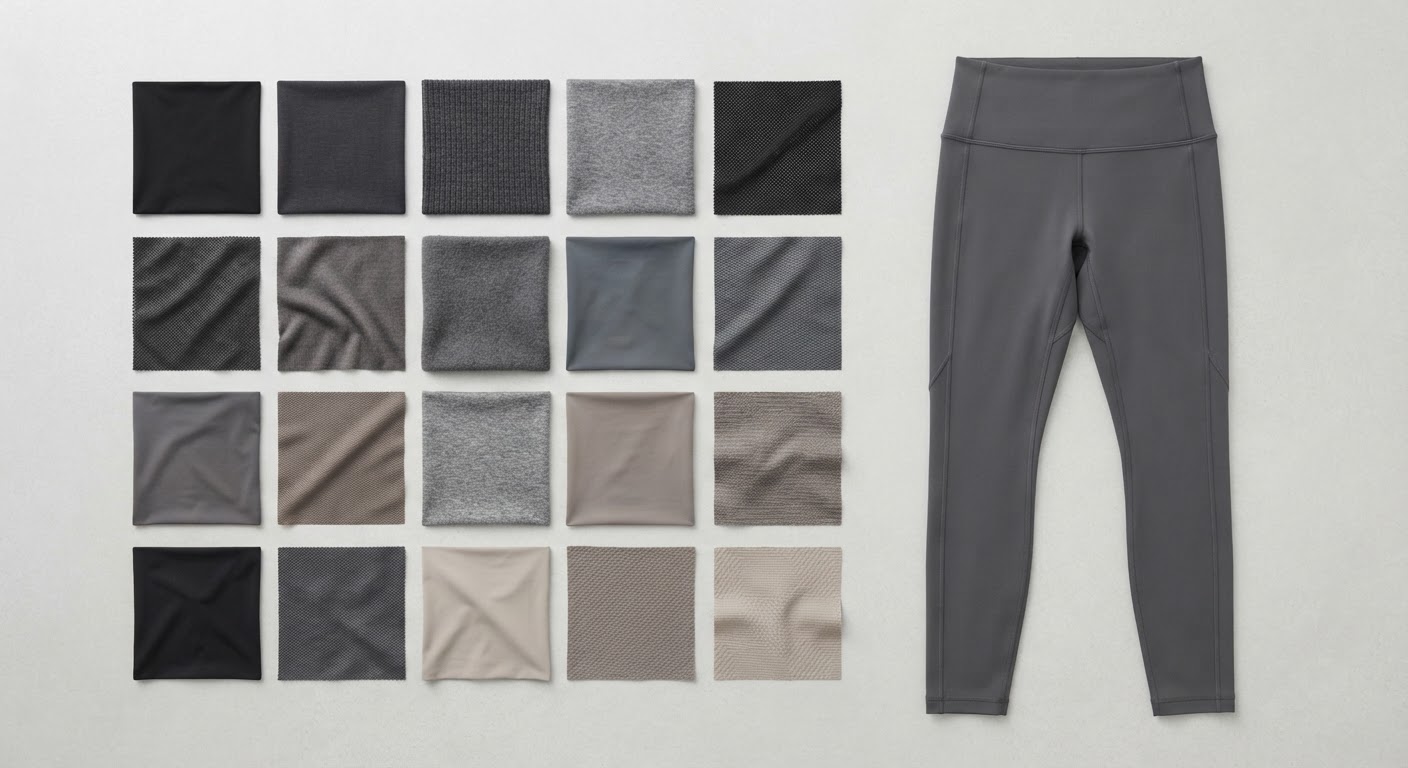
Based on my professional judgment as a garment manufacturer, I recommend verifying textile specifications against actual project requirements. I recommend evaluating your target market’s primary activities before committing to a fabric family.
Defining the ‘Best’ Fabric: Performance vs. Lifestyle
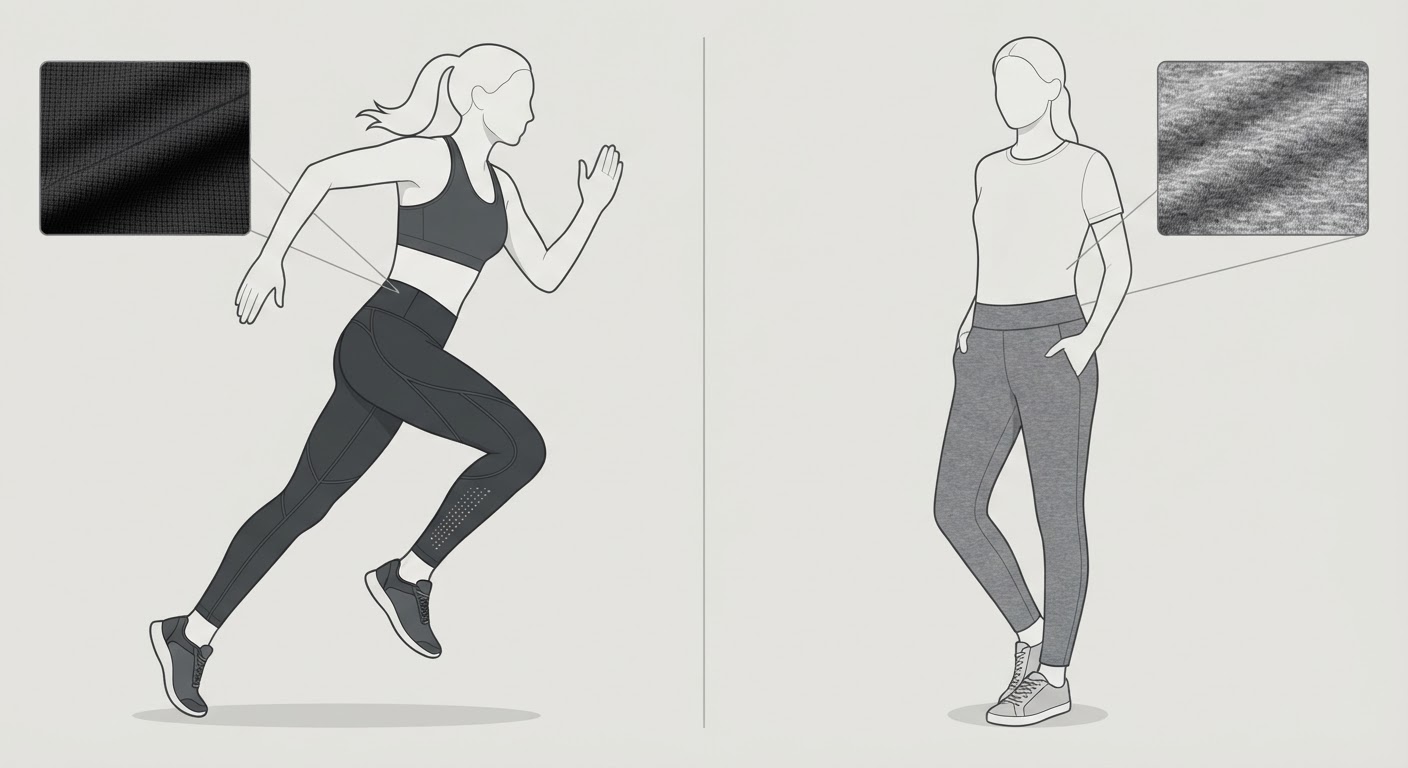
When developing a new activewear line, product teams generally categorize leggings into two main segments:
- Performance Activewear: Designed for high-movement, high-sweat activities like running, gym training, and hot yoga. These garments require excellent stretch recovery, moisture-wicking capabilities1, high abrasion resistance, and reliable opacity.
- Lifestyle and Athleisure: Designed for low-impact activities, yoga, running errands, or daily wear. These garments prioritize a soft hand feel, breathability, and all-day comfort over intense compression.
Treat all performance comparisons as provisional until representative samples are tested under your intended construction and use conditions. Before approving any bulk fabric order, confirm the actual project requirements and specifications with your manufacturing partner.
Comparing Nylon and Polyester for Activewear
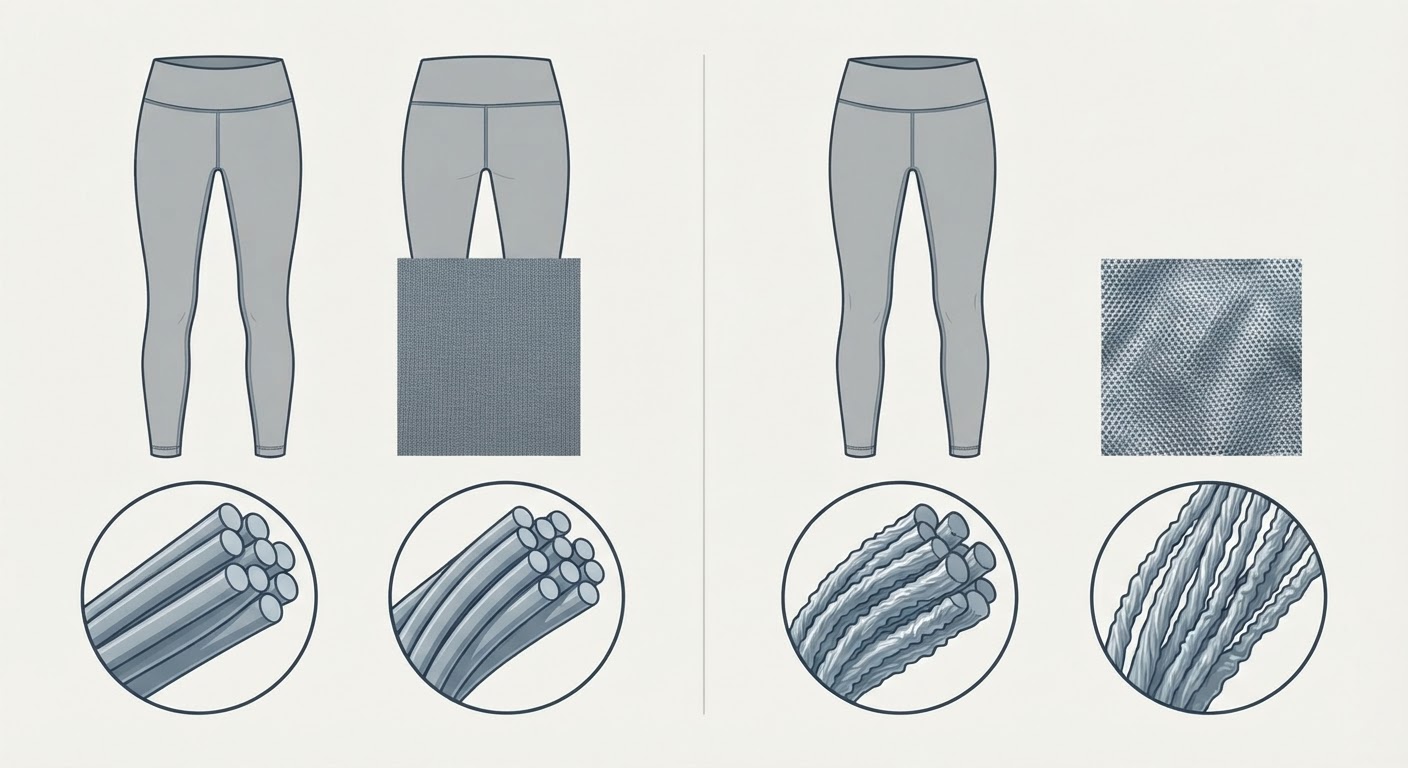
Nylon-Spandex Blends
Buyers should compare the strength, hand feel, and elasticity of nylon options against their actual project requirements. Buyers should compare the hand feel, drape, and compression of spandex blends against their actual project requirements.
- Typical Application: Often used for premium yoga wear and high-end athleisure where a soft, “buttery” feel and reliable shape retention are required.
- Practical Reference: For premium yoga and all-day comfort, Nylon-Spandex blends around 220–260 gsm with high-density four-way stretch2 are commonly selected. Note that this is a rough practical reference, not a universal rule. The ideal weight can vary based on material sourcing, sampling and revision scope, product complexity, and supplier production schedules. Confirm the actual values and conditions with your supplier for your specific project.
Polyester-Spandex Blends
Buyers should compare the durability, resilience, and moisture-wicking properties of polyester options against their actual project requirements. Buyers should compare the sublimation printing compatibility of polyester options against their actual project requirements.
- Typical Application: Often chosen for high-intensity training, running, and patterned or sublimation-printed collections.
- Practical Reference: Polyester-spandex blends—typically 88/12 or 90/10—offer excellent moisture-wicking properties, good stretch recovery, and strong compatibility with sublimation printing. For gym, HIIT, running, and printed leggings, a Polyester-Spandex blend of around 230–280 gsm is often selected. These values are rough practical references rather than universal rules. Actual performance and suitability will vary depending on your specific fabric construction, order conditions, supplier capabilities, and target market requirements. Verify the actual specifications with your supplier before approval.
| Fabric Property | Nylon-Spandex Blends | Polyester-Spandex Blends |
|---|---|---|
| Primary Hand Feel | Verify hand feel and softness against actual project requirements | Verify texture and hand feel against actual project requirements |
| Durability & Strength | What should be confirmed about abrasion resistance? | What should be confirmed about tensile strength, resistant to shrinking? |
| Moisture Management | Verify moisture absorption and drying time against actual project requirements | Verify moisture wicking and drying performance against actual project requirements |
| Print Compatibility | Verify dye and screen printing compatibility against actual project requirements | Verify sublimation printing compatibility against actual project requirements |
| Common End-Use | Verify suitability for low-impact activities against actual project requirements | Verify suitability for high-intensity activities against actual project requirements |
Key Factors in Legging Fabric Selection
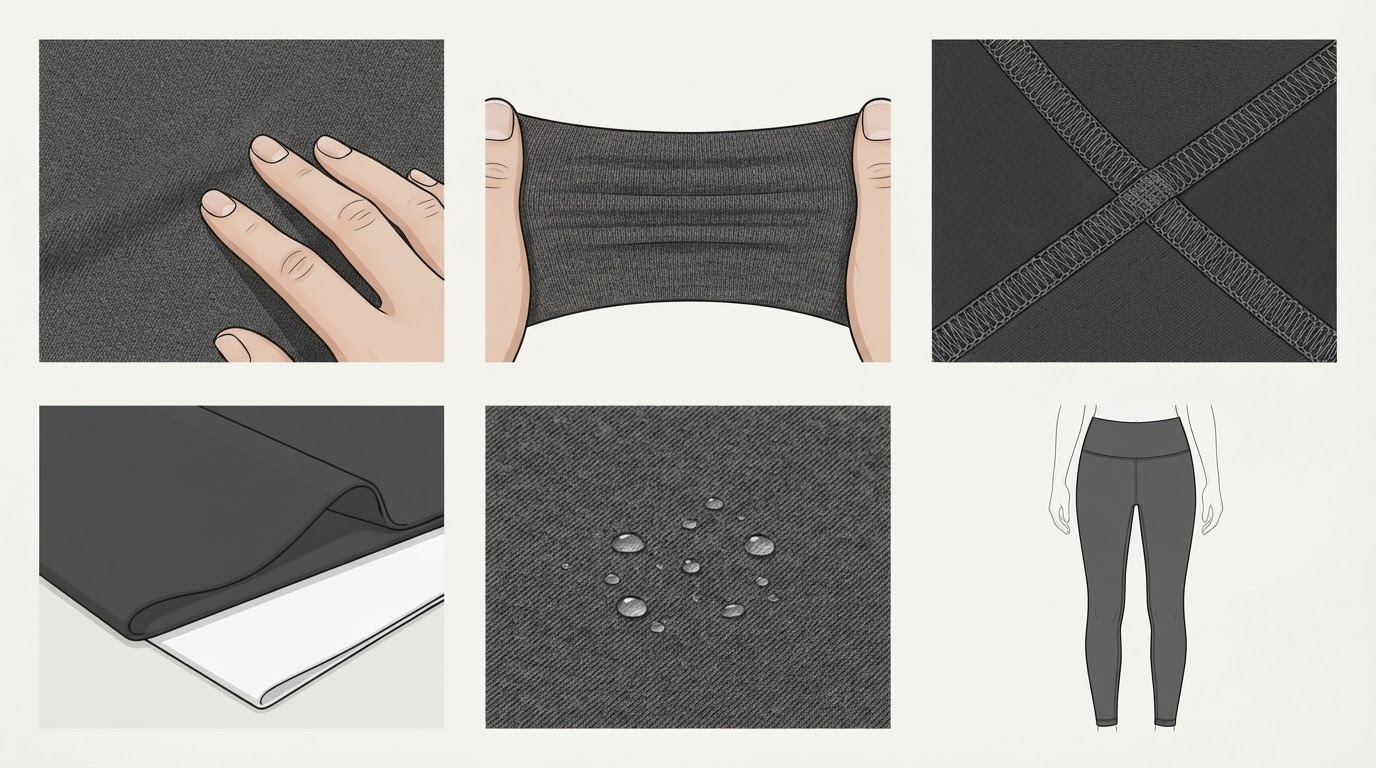
Compare the material options and tolerance requirements against the actual specifications before approval. Considerations
Activewear brands should verify opacity during the sampling phase based on actual project requirements. Compare the material options and tolerance requirements against the actual specifications before approval.
Verify opacity and fabric construction against actual project requirements. Compare interlock knit and single-jersey knit options against actual project requirements to verify density and opacity. When sourcing, I recommend verifying the knit construction against actual project requirements to confirm the desired opacity.
Fabric Weight Guidelines
- Practical Reference: Legging fabrics for activewear typically use weights in the 220–280 gsm range. This is a rough practical reference, not a universal rule. The optimal weight for your line will vary based on your specific design, target market requirements, supplier capabilities, and order conditions. Confirm the actual weight and performance characteristics with your selected supplier during the development phase.
Stretch and Recovery
The percentage of Spandex in a fabric blend directly impacts its stretch and recovery. Compare the elasticity, yarn quality, and knitting tension against actual project requirements to verify shape retention. Verify long-term recovery by testing prototype samples under actual project conditions.
The Important Sourcing Checklist: Sampling and Verification
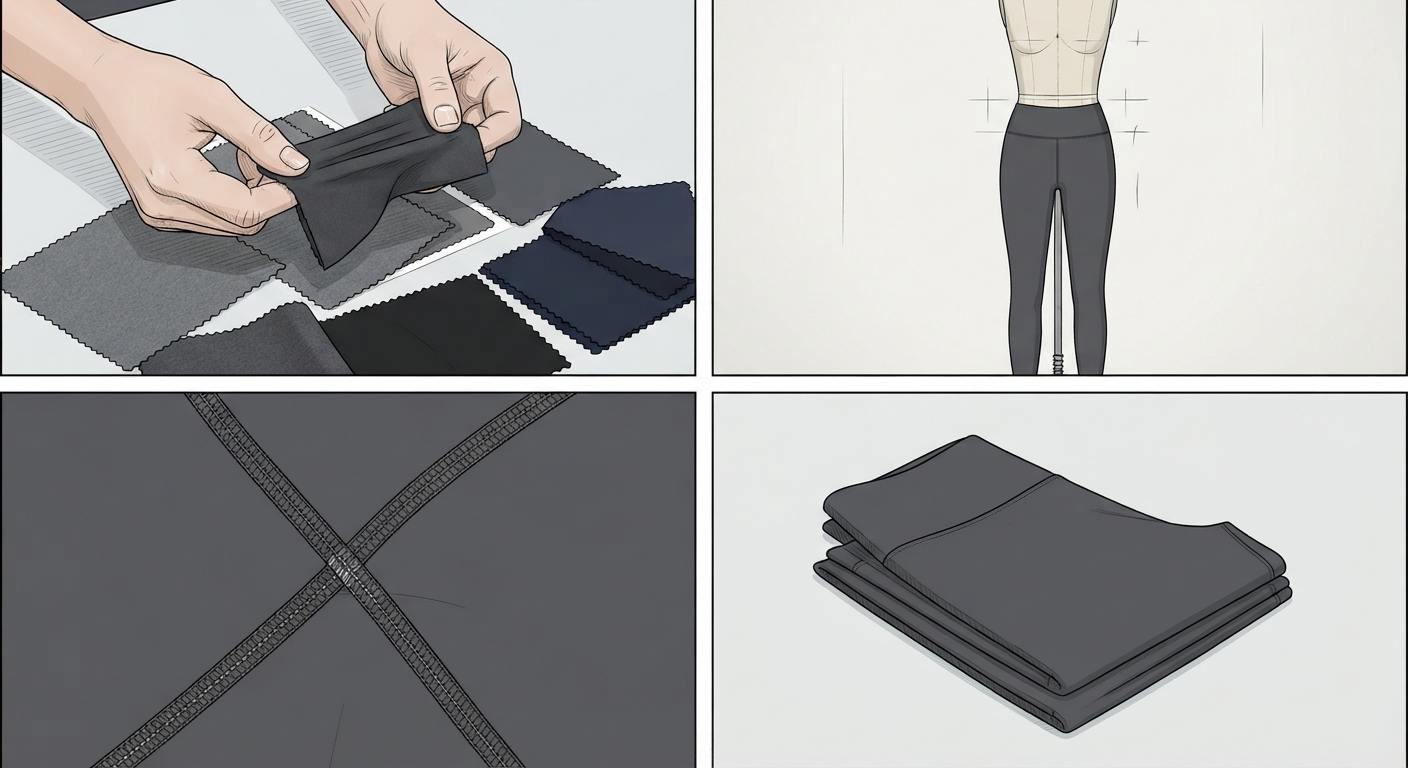
A typical industry decision process for launching a new legging line can include the following review areas before approval:
- Define the Fiber Base: Determine the primary activity of your target customer (e.g., Yoga vs. HIIT) to choose between a Nylon-dominant or Polyester-dominant blend.
- Request Swatches: Ask your manufacturer to provide physical swatches of both materials in varying weights and constructions (such as interlock and jersey).
- Conduct Physical Testing:
- Perform a manual stretch test to evaluate opacity and recovery.
- Verify prototype samples under actual wear conditions to check for pilling, shrinkage, and seam strength.
- Verify Specifications: Confirm your specific moisture-wicking, colorfastness, and GSM consistency requirements directly with the supplier before bulk production begins.
Because there are no standardized, universally accepted testing protocols for opacity across the manufacturing industry, brands should establish clear internal testing methods during the sampling phase.
Conclusion
Selecting a fabric for your leggings requires verifying fiber options, fabric construction, and actual project requirements with your manufacturer. By defining your target market’s performance needs first, you can narrow down your choices between Nylon and Polyester blends, select the appropriate fabric weight, and verify opacity through rigorous sampling. Test representative fabric samples under actual wear conditions to verify that the final product aligns with actual project requirements.
-
moisture-wicking capabilities – Moisture-wicking is a key technical property for performance activewear, crucial for comfort during high-intensity activities. Source: What Should You Know About Clothing Manufacturers in China? – Sino Finetex Textile Technology Co., Ltd. ↩
-
four-way stretch – Four-way stretch is mentioned in relation to Nylon-Spandex blends and affects flexibility and fit in leggings. Source: How to Select the Best Spandex Blend for Your Workout Clothes – Sportek International Inc.. ↩