
Are you struggling to define the exact dimensions for your next activewear line without relying on vague supplier promises? The term “7/8 leggings” refers to a specific cropped style that is cut slightly shorter than full-length leggings, typically measuring 1/8th shorter than a standard inseam.
For commercial buyers, a 25-inch inseam is a common starting reference for this cropped silhouette, but the final length should be set from the brand’s full-length baseline, target wearer height, rise, silhouette, and size-grading rules.
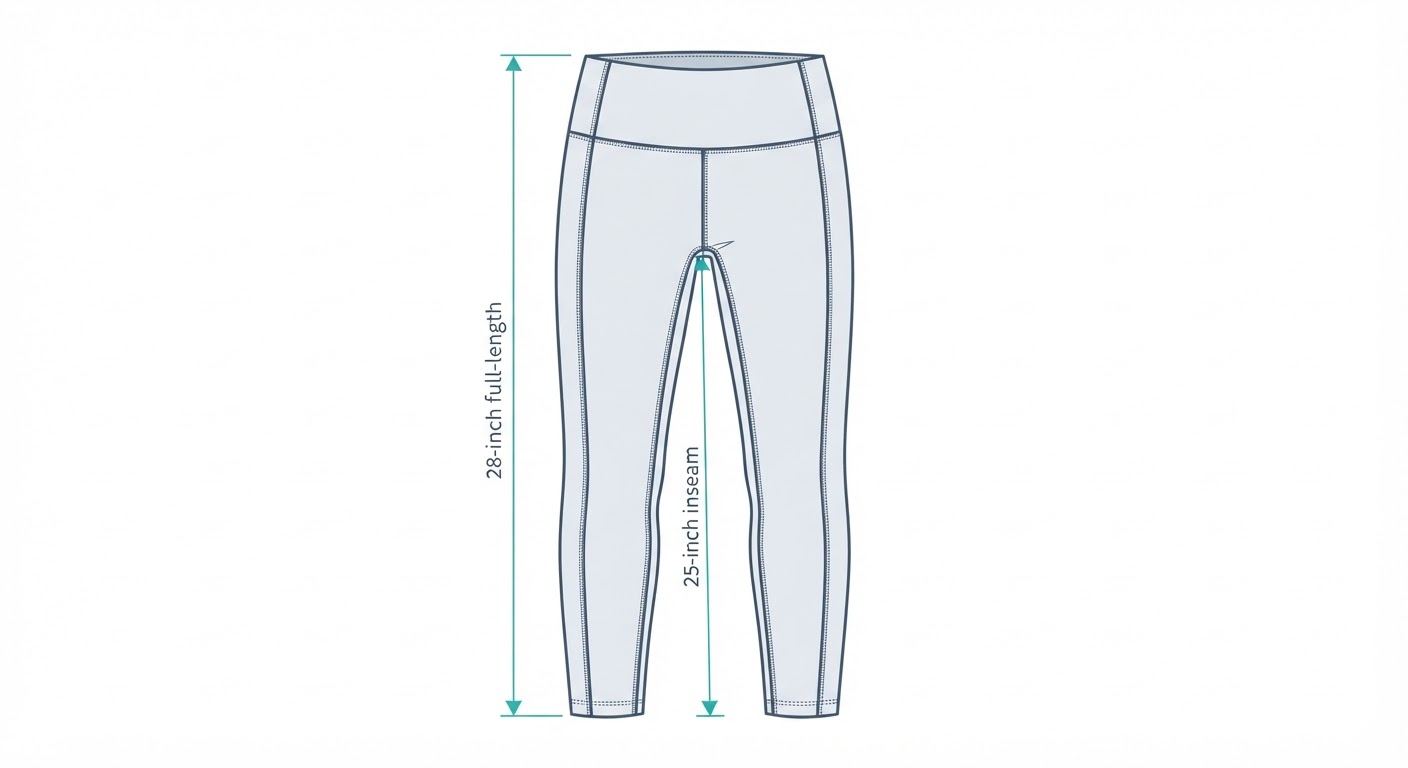
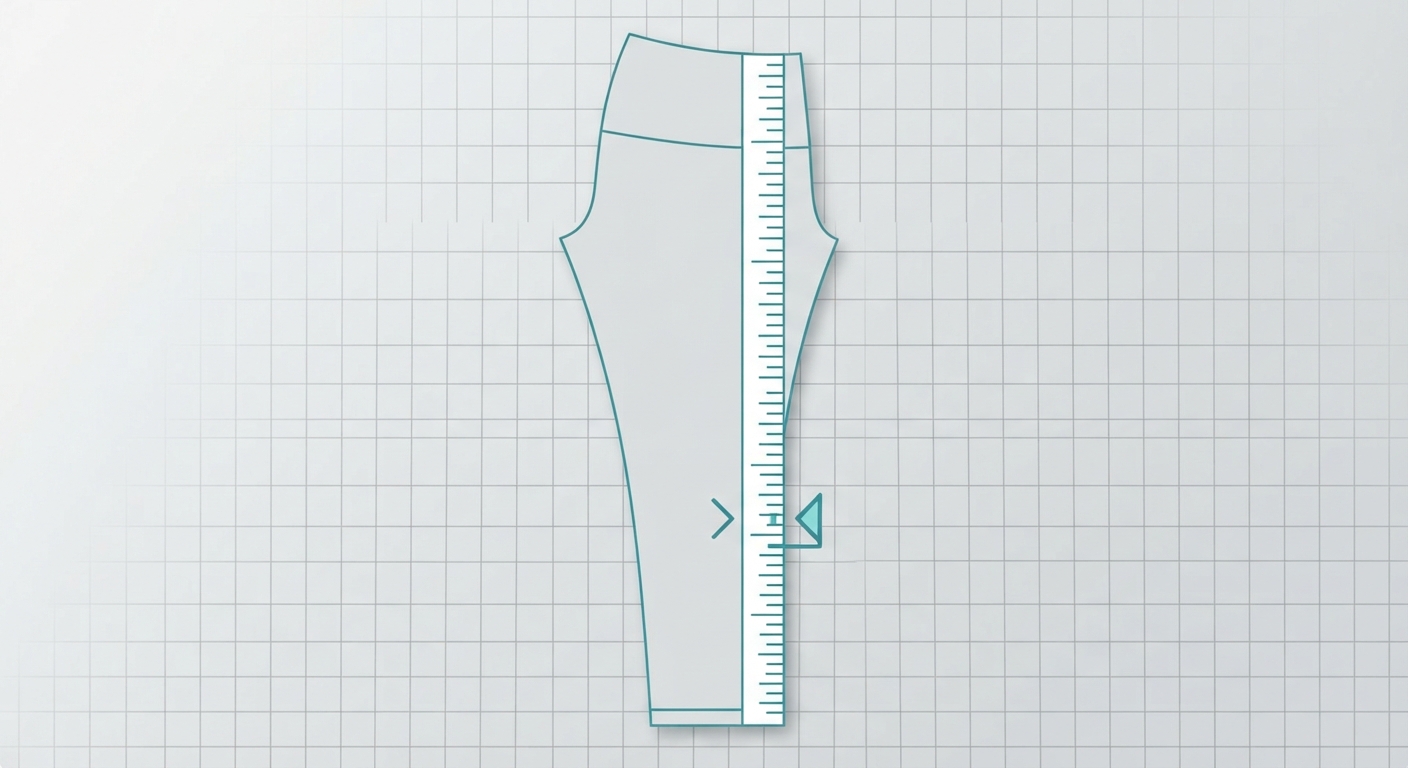
Product teams can translate the consumer term into a clear technical specification by defining the measurement point, base-size inseam, grading rule, and intended on-body position. Those decisions help maintain consistent fit across the size range.
What Is 7/8 Length in Leggings?
Are you confused about how to translate consumer terminology into a technical tech pack for production? Many brands lose consistency because they define activewear lengths using vague marketing terms rather than precise, repeatable manufacturing measurements.
In commercial manufacturing, 7/8 length leggings are usually defined relative to the brand’s own full-length block. A 25-inch inseam is a commonly used base-size reference, often compared with a full-length reference around 28 inches, but neither value is universal. Set the final length from the target wearer’s height, front and back rise, silhouette, intended ankle position, and size-grading rules.
Comparing Activewear Legging Lengths
To help your design team establish clear pattern guidelines, it is helpful to compare how this length fits into a standard product line:
| Legging Style | Common Base-Size Reference (Inches) | Typical On-Body Placement | Example Use Context |
|---|---|---|---|
| Full-Length | 28″ | At or below the ankle bone | Cold-weather running, training |
| 7/8 Length | 25″ | Just above the ankle bone | Yoga, Pilates, barre, hot classes |
| Capri Length | 21″ | Mid-calf muscle | Warm-weather training, running |
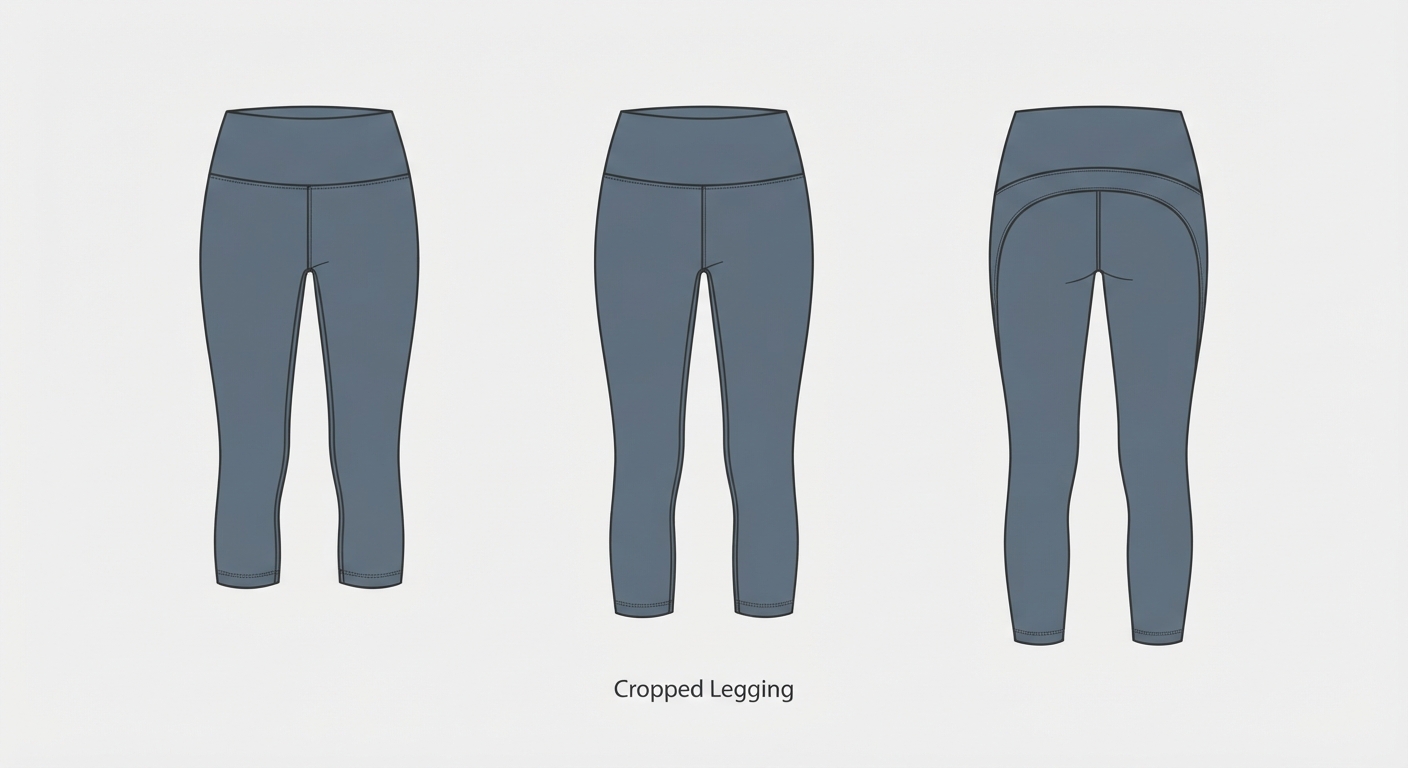
| Cropped | 23″ | Lower calf to upper ankle | General fitness, lifestyle |
Use the table as a starting reference rather than a fixed specification. Compare the 25-inch and 28-inch base-size options with the target market’s height distribution and the brand’s fit block, then confirm the intended ankle position on fit samples.
Are 7/8 Leggings More Flattering?
When deciding whether to add this length to a product range, buyers should compare its fit purpose with the development work required for a separate pattern and grading rule.
The 7/8 silhouette exposes more of the ankle than a full-length style and can reduce excess fabric at the hem for some wearers. The visual result and fit benefit remain dependent on wearer height, rise, leg shape, and the brand’s pattern block.
Pattern Grading Challenges
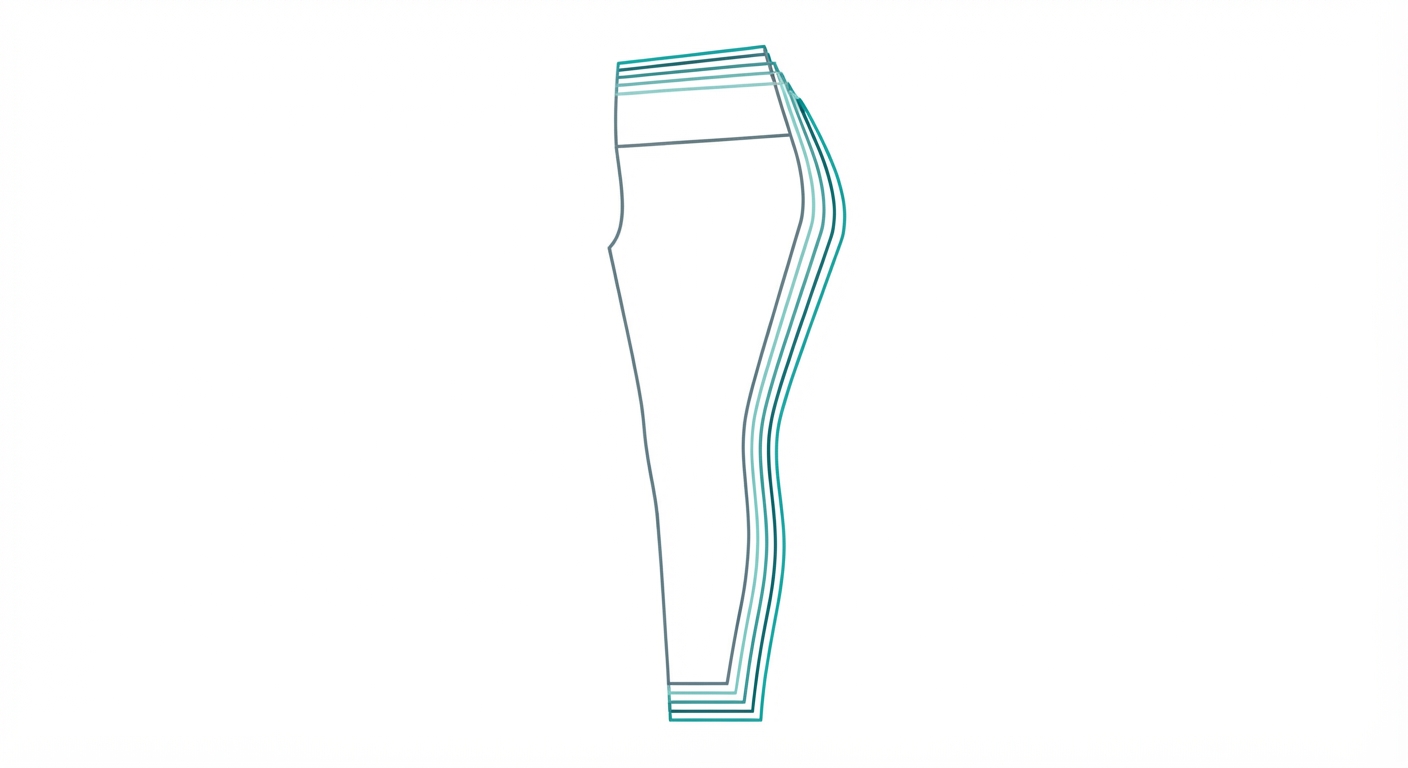
When grading a 7/8 pattern across a full size range1 (from XS to XXL), maintaining this flattering visual proportion requires careful engineering. You cannot simply chop three inches off a full-length pattern.
- Calf Placement: The taper of the leg pattern must be adjusted so the hem opening does not constrict the lower calf.
- Ankle Opening: Because the garment ends higher on the leg than a full-length pant, the ankle opening circumference must be slightly wider to prevent digging or hem flipping.
- Warp and Weft Stretch: High-performance fabrics with high spandex content (typically 20% to 25%) will pull upward when worn. Your pattern maker must account for this vertical stretch recovery during the initial sample fitting.
Is 7/8 or Capri Shorter?
Are you concerned that your product line will have too much overlap, leading to cannibalized sales and bloated inventory? Distinguishing clearly between your cropped, capri, and 7/8 styles is essential for clean SKU management and clear consumer marketing.
A capri is generally shorter than a 7/8 legging. A 21-inch capri and a 25-inch 7/8 inseam are useful base-size references, while the final measurements and on-body positions should follow the brand’s block and target wearer profile.
Sourcing the Right Fabric Weights
Because capris and 7/8 leggings expose different amounts of skin, they are often utilized for different workout environments. This directly impacts the fabric specifications you should request from your manufacturer2:
- Capri Leggings: Often preferred for high-intensity outdoor running in warm weather. These perform best with lightweight, highly breathable fabrics (typically 190 to 220 GSM).
- 7/8 Leggings: Highly popular for indoor studio classes like hot yoga or Pilates. These require mid-weight stretch fabrics (typically 230 to 260 GSM) that offer strong opacity (passing the “squat test”) and excellent shape recovery.
When sourcing fabrics for these styles, buyers should verify the fiber composition. High-quality nylon-spandex or polyester-spandex interlock knits provide far better resistance to pilling, abrasion, and permanent deformation than cheap cotton-rich blends.
Is 7/8 Inseam Shorter Than Regular?
Are you worried about how to label your products correctly on your e-commerce platform to minimize customer returns and size exchanges? Understanding how the brand’s regular inseam compares with its 7/8 specification is key to writing accurate product descriptions.
A 7/8 inseam is shorter than the corresponding full-length specification. A 25-inch base size versus a 28-inch full length is a common three-inch reference difference, not a universal rule; confirm the result against target wearer height, rise, silhouette, and grading before labeling the fit.
Production and Quality Checklist for Buyers
Before you approve a bulk production run of 7/8 leggings, your quality control team should verify several technical construction details during the pre-production sample phase:
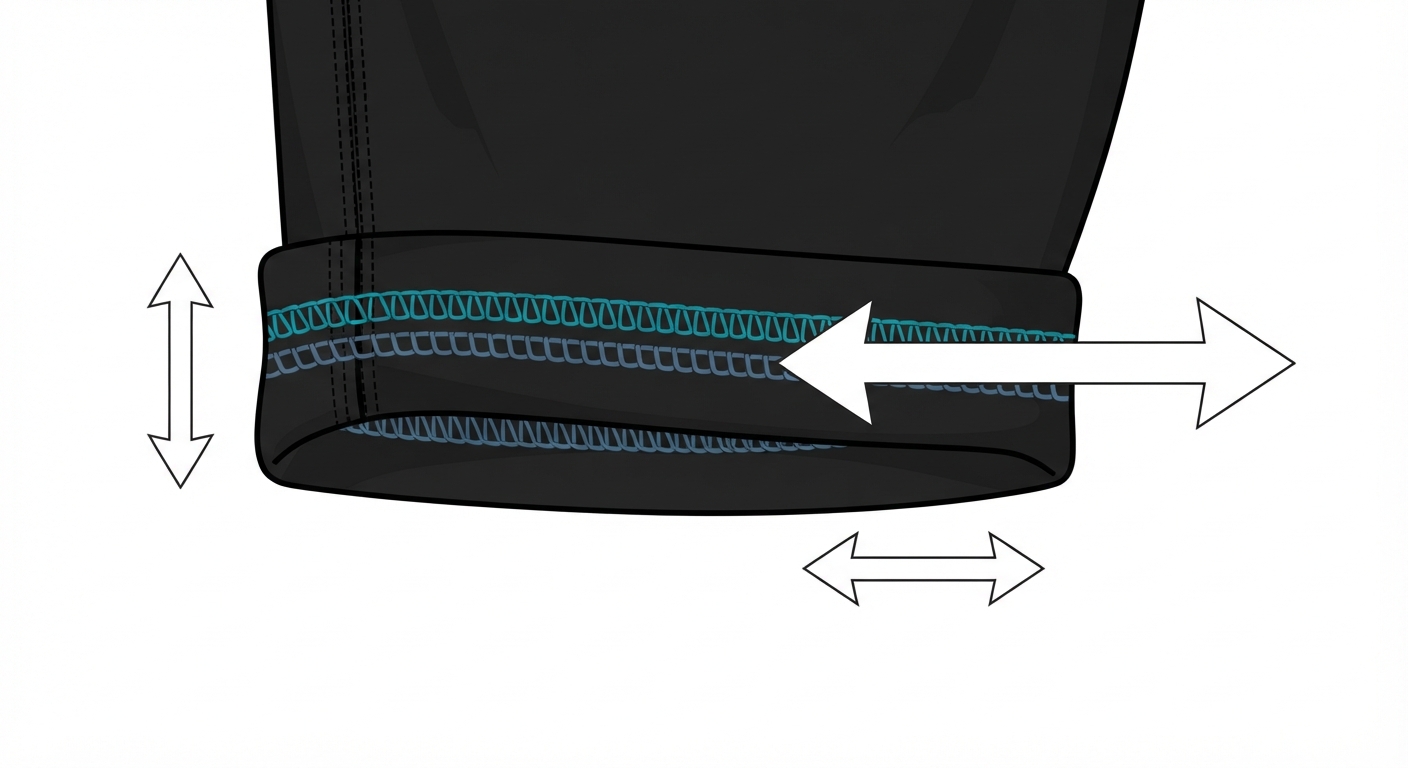
- Hem Construction: Ensure the factory uses a proper coverstitch hem or flatlock seam. Standard lockstitches will snap when the wearer pulls the hem over their foot.
- Seam Reinforcement: Verify that the inner thigh and gusset seams are reinforced to handle high-tensile stress during deep stretching.
- Waistband Stability: Check if the waistband features an internal elastic band or a high-density power mesh lining to prevent the leggings from sliding down during movement.
- Shrinkage Allowance: Test the fabric’s shrinkage after washing. If the fabric shrinks vertically by more than 3%, your 25-inch 7/8 legging can quickly shrink into an awkward crop length.
Conclusion
Understanding the 7/8 designation helps commercial buyers turn a consumer-facing length name into a measurable product specification. Use 25 inches as a possible starting reference, then confirm the final base-size length, grading, fabric behavior, and on-body position before bulk production.
-
grading a 7/8 pattern across a full size range – Explains the technical challenges and considerations when scaling 7/8 leggings patterns from XS to XXL. Source: Custom Leggings Manufacturer (MOQ 30+) | Cut & Sew + Sublimation — DesignTo Clothing | USA Custom Apparel Manufacturer. ↩
-
fabric specifications you should request from your manufacturer – Provides guidance on selecting appropriate fabric weights for capri vs 7/8 leggings based on workout type. Source: Which Fabric Is Best for Your New Leggings Brand?. ↩