Finding the right balance between comfort and structure in modern apparel lines is a constant struggle for sourcing managers. If your fabric choices fail to deliver on durability and drape, your brand risks losing customer trust and market share.
Ponte pants are high-quality, structured trousers made from ponte knit fabric1, a double-knit interlock material that offers excellent stretch, shape retention, and a polished look. They serve as a professional, versatile alternative to leggings, bridging the gap between activewear comfort and formal office wear.
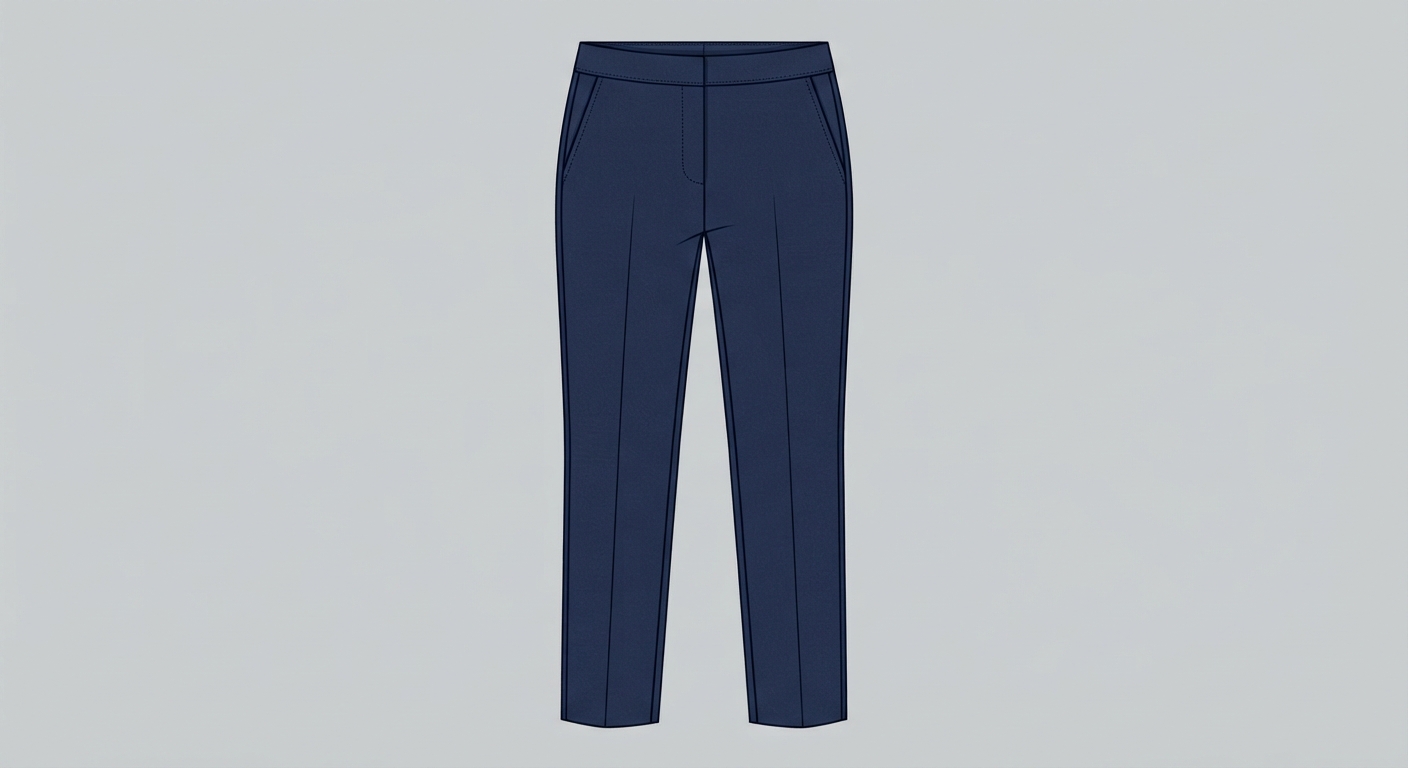
For commercial buyers and sourcing managers, understanding the technical properties of this material is essential. Let us explore the construction, fabric blends, and manufacturing considerations that make these trousers a highly profitable addition to your product catalog.
What Does Ponte Mean in Clothing?
Sourcing managers often struggle to find fabrics that offer both high elasticity and professional structure. Selecting a single-knit fabric can lead to flimsy, translucent garments that do not meet contemporary workwear standards.
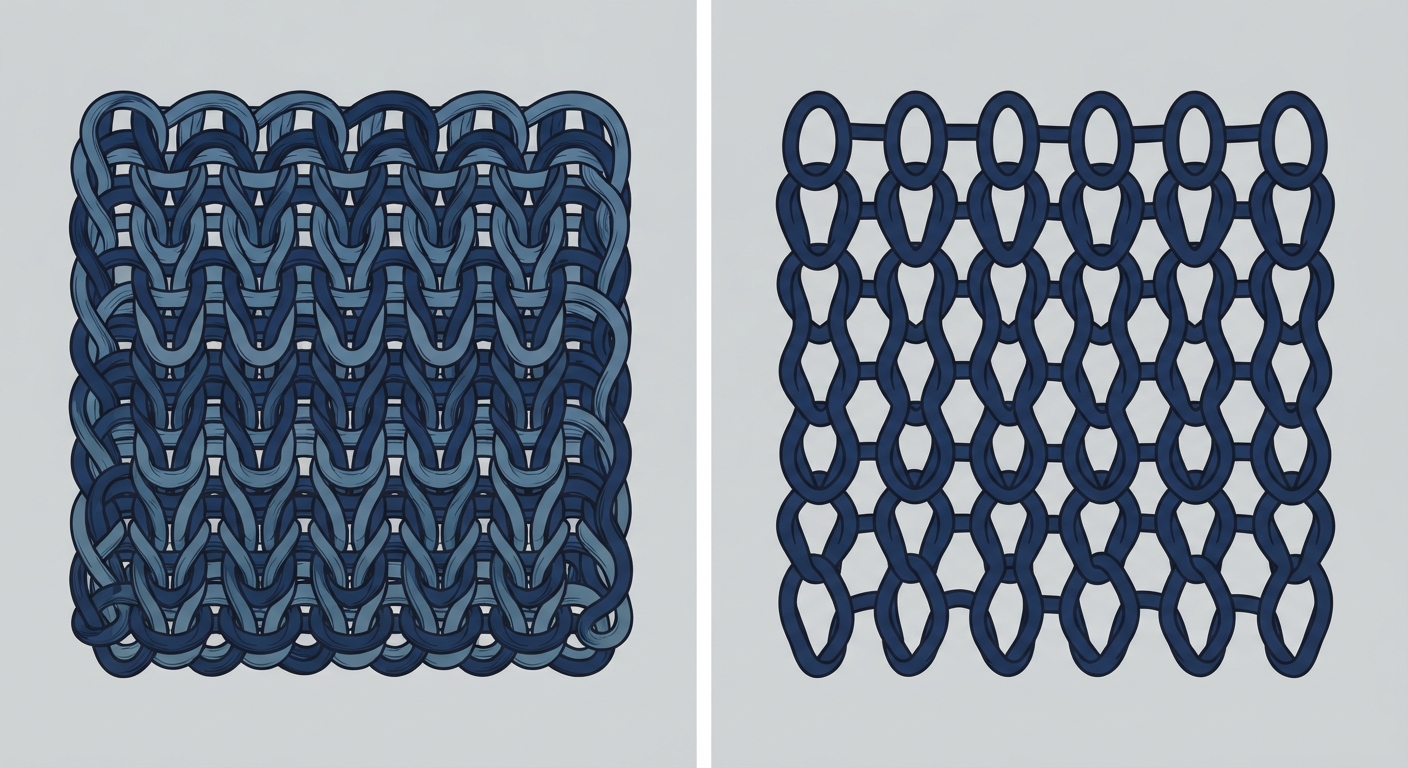
Ponte in clothing refers to a double-knit construction technique that creates a thick, stable, and durable fabric with a smooth finish on both sides. Unlike single knits, this interlock structure provides excellent recovery, a flattering drape, and resistance to wrinkling.
The Double-Knit Advantage
When I collaborate with Eleanor Vance to review new fabric options for her brand’s elevated casual line, we focus heavily on the knitting structure. Traditional leggings use single-knit jersey, which easily loses shape and can be see-through under tension. Ponte knit uses two sets of needles to create two interlocked layers. This double-knit method ensures the fabric remains opaque, holds its shape over long periods of wear, and resists fraying at the seams during high-volume cut-and-sew production.
Weight and Stability
The structural stability of this material makes it highly forgiving during the sewing process. It does not curl at the edges like single-knit jersey, allowing for cleaner seam lines and more precise tailoring. For commercial brands, this translates to fewer production defects and more consistent sizing across large manufacturing runs.
| Fabric Type | Knit Construction | Structural Stability | Typical Opacity | Primary Use Case |
|---|---|---|---|---|
| Ponte Knit | Double-knit interlock | High (holds shape) | Excellent (opaque) | Structured trousers, blazers |
| Single Jersey | Single-knit | Low (tends to curl) | Variable (can be sheer) | T-shirts, basic leggings |
| Interlock | Double-knit | Medium | Good | Activewear tops, loungewear |
What Are Ponte Pants Made Of?
Balancing cost-effectiveness with material innovation is a major challenge when sourcing new apparel lines. Choosing the wrong fiber blend can lead to pilling, poor stretch recovery, or high fabric costs that eat into your retail margins.
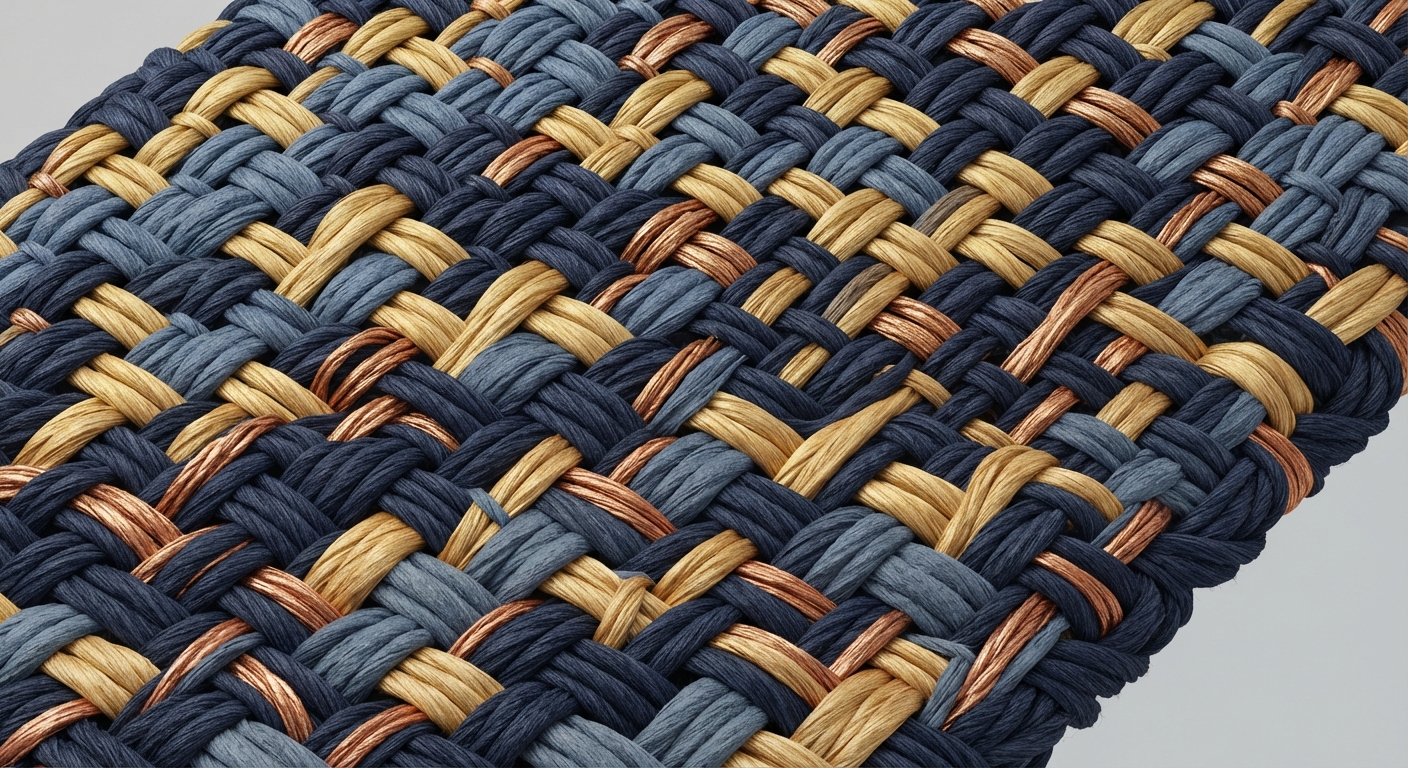
Ponte pants are typically made of a blend of rayon, nylon, and spandex, though polyester is sometimes used to manage production costs. This specific combination of fibers determines the garment’s hand-feel, durability, stretch recovery, and overall price point.
Fiber Blend Variations
During our product development meetings, Eleanor and I often compare different fiber compositions to match her brand’s target price and performance requirements. The choice of fibers directly impacts how the end consumer perceives the garment’s quality.
- Rayon (Viscose): Provides the fabric with its characteristic softness, breathable comfort, and elegant, fluid drape.
- Nylon (Polyamide): Adds exceptional tensile strength, abrasion resistance, and helps prevent the fabric from pilling over time.
- Spandex (Elastane): Delivers the necessary four-way stretch and ensures the garment recovers its shape without bagging at the knees.
- Polyester: Often blended in to lower raw material costs, improve wrinkle resistance, and increase colorfastness.
Sourcing Checklist for Buyers
Because there is no single standard for ponte fabric, commercial buyers should request detailed specification sheets from their suppliers. Before placing a bulk order, always verify the fabric weight (typically ranging from heavy to mid-weight), the pilling resistance rating2, and the shrinkage rate after washing. Requesting physical swatches and sample garments is the most reliable way to evaluate the hand-feel and recovery before committing to production.
What Is the Difference Between Ponte Pants and Leggings?
Introducing a new product line carries the risk of market confusion if the garments resemble cheaper alternatives. If your customers perceive your premium trousers as basic leggings, they will not pay a premium price.
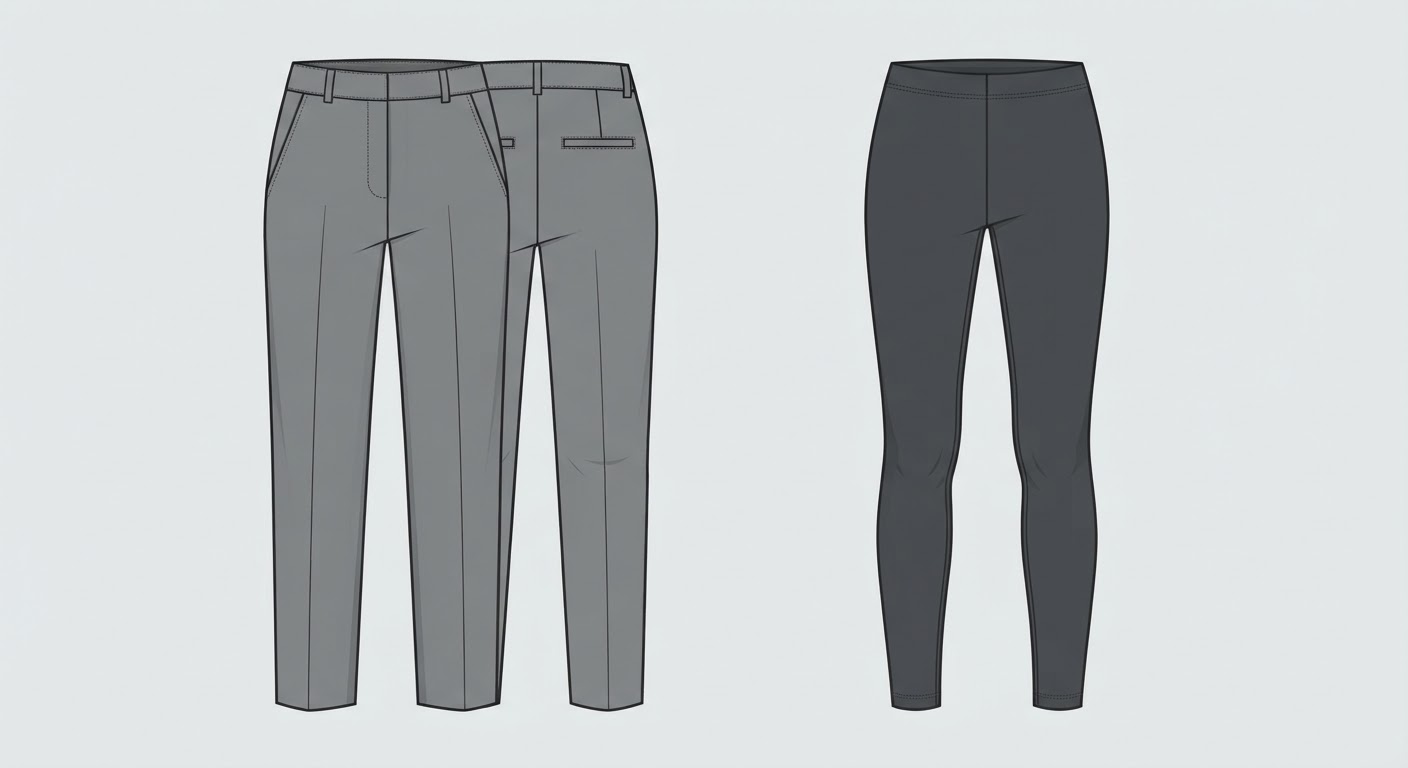
The difference between ponte pants and leggings lies in their construction, thickness, and styling details. Leggings are tight, thin, single-knit garments designed for athletic or casual wear, while ponte trousers are thick, structured, double-knit pants featuring tailored details like pockets, zippers, and faux flies.
Structural and Design Differences
When designing collections with sourcing partners, we look at how the garment sits on the body. Leggings cling to every contour of the legs and require longer tops for coverage. In contrast, the density of double-knit fabric allows these trousers to skim over the body, smoothing out lines and creating a tailored silhouette.
Manufacturing Details
From a manufacturing perspective, producing these trousers requires more complex cut-and-sew operations than basic leggings. Leggings usually feature simple elastic waistbands and minimal seams. High-quality trousers incorporate structured waistbands, functional or decorative pockets, belt loops, and real or faux fly fronts. These details require precise sewing techniques and specialized machinery to handle the thick double-knit fabric without creating bulky seams.
| Feature | Ponte Pants | Leggings |
|---|---|---|
| Fabric Weight | Heavyweight (substantial feel) | Lightweight to mid-weight |
| Structure | Tailored (holds its own shape) | Clinging (conforms to body shape) |
| Design Elements | Pockets, zippers, belt loops, seams | Minimalist, elastic waistband |
| Appropriate Settings | Office, business casual, travel | Gym, lounging, casual layering |
How Do You Manufacture and Source Quality Ponte Pants?
Managing complex global supply chains while maintaining strict quality control can overwhelm apparel product teams. If your manufacturing partner lacks experience with heavy double-knit fabrics, you may face issues like uneven shrinkage, puckered seams, or missed delivery deadlines.
To manufacture quality ponte pants, you must partner with a specialized cut-and-sew factory that understands heavy knits, uses appropriate needle sizes to prevent fabric damage, and maintains strict quality control from fabric relaxation to final pressing.
Fabric Relaxation and Cutting
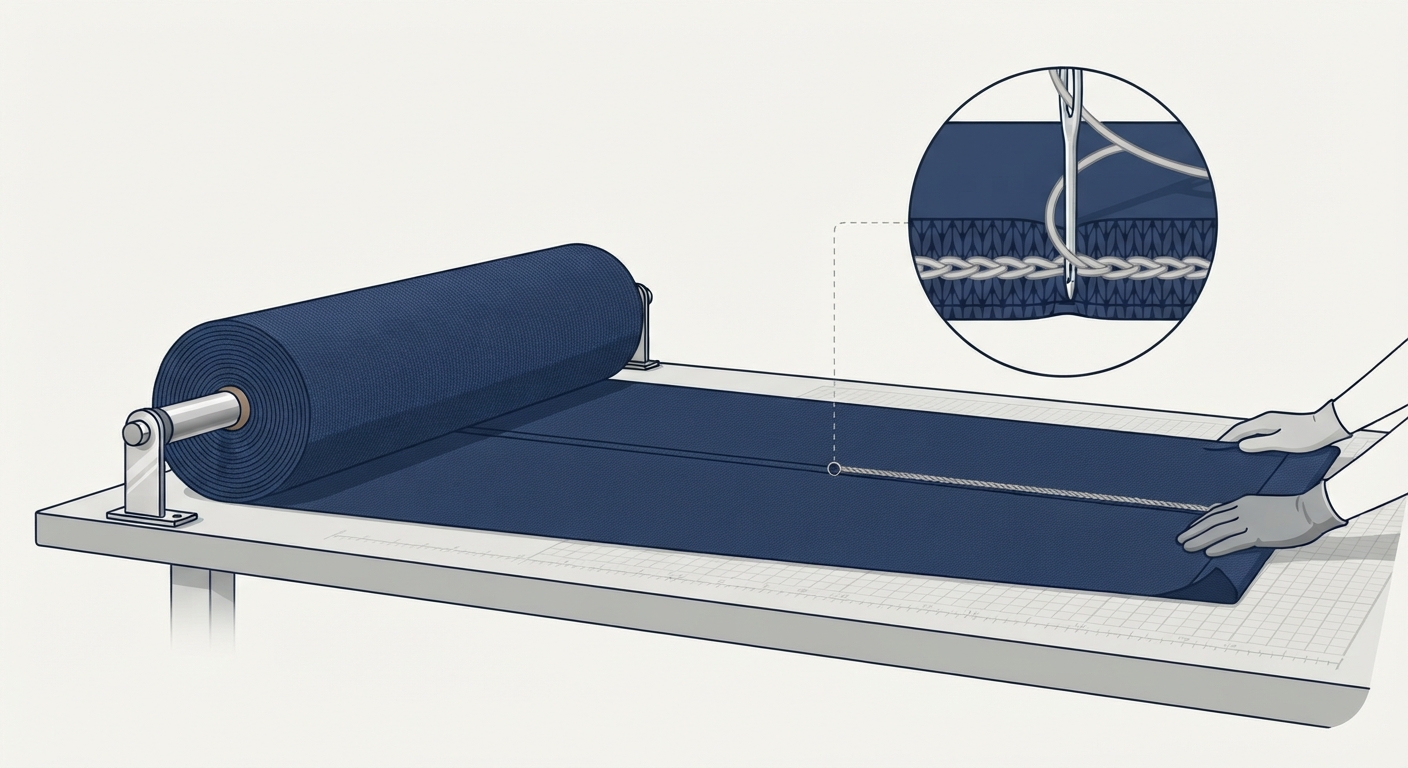
One critical step in manufacturing double-knit garments is fabric relaxation. Because the material contains a high percentage of stretch fibers, the fabric rolls must be unrolled and allowed to rest on the cutting tables for at least 24 hours before cutting. Skipping this step leads to severe shrinkage and distorted sizing after the pieces are sewn and washed.
Sewing and Needle Selection
Sewing thick knit fabrics requires specialized machinery and skilled operators. Factories must use ballpoint needles to prevent cutting the yarns, which causes running holes along the seams. Additionally, thread tension must be calibrated perfectly; if the tension is too tight, the seams will snap when the wearer stretches the garment. If it is too loose, the seams will gap and look unprofessional.
Partnering with LJ Garment
At LJ Garment, we specialize in end-to-end manufacturing solutions for activewear and casualwear brands. We focus on cut-and-sew clothing, particularly pants, helping brands transform their design concepts into high-quality retail collections. We work closely with sourcing managers to navigate fabric selection, pattern making, sample development, and bulk production, ensuring your finished garments meet your brand’s exact quality standards.
Conclusion
Ponte pants offer the perfect combination of double-knit structure, comfort, and professional style, making them a highly profitable addition to any modern apparel line. Choosing the right manufacturing partner ensures consistent quality.
-
ponte knit fabric – Source: Ponte Roma Fabric: Versatile, Durable, and Comfortable – Runtang Tex. ↩
-
pilling resistance rating – Source: Ponte Fabric: Structure, Stretch & Versatility | Your Colors | YourColors Knowledge Base. ↩