Finding reliable leggings manufacturers that balance premium performance fabrics with ethical production practices is a major challenge for growing activewear brands. Many suppliers promise high-end results but deliver inconsistent stitching, poor sizing, or delayed shipments.
To secure consistent quality, choose leggings manufacturers that offer transparent supply chains, verified fabric certifications, robust inline quality control, and specialized cut-and-sew expertise for performance activewear.
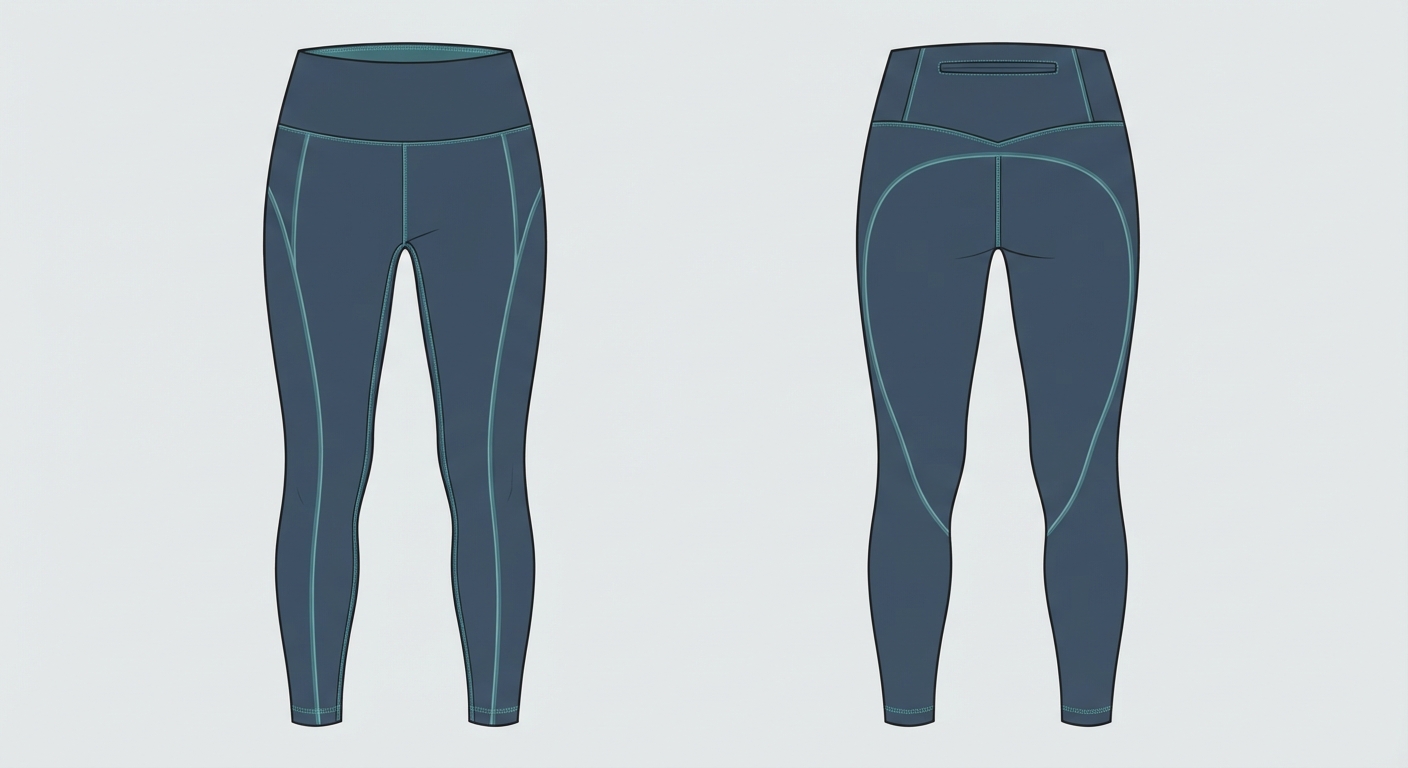
When I work through this decision with sourcing professionals like Sarah Chen, I first analyze the production bottlenecks that disrupt their seasonal launches. In my years running LJ Garment, I have learned that a successful partnership depends on aligning technical capabilities with clear quality standards. This guide outlines how to evaluate manufacturers to protect your brand aesthetic and delivery timelines.
What Are the Key Criteria for Choosing Leggings Manufacturers?
Sourcing managers often struggle to find manufacturing partners who can execute complex activewear designs without compromising on fabric performance or production deadlines. This misalignment leads to high defect rates and missed retail windows.
To choose the right partner, evaluate their fabric sourcing network, technical stitching capabilities, ethical compliance certifications, and quality control systems.
Technical Capabilities and Stitching
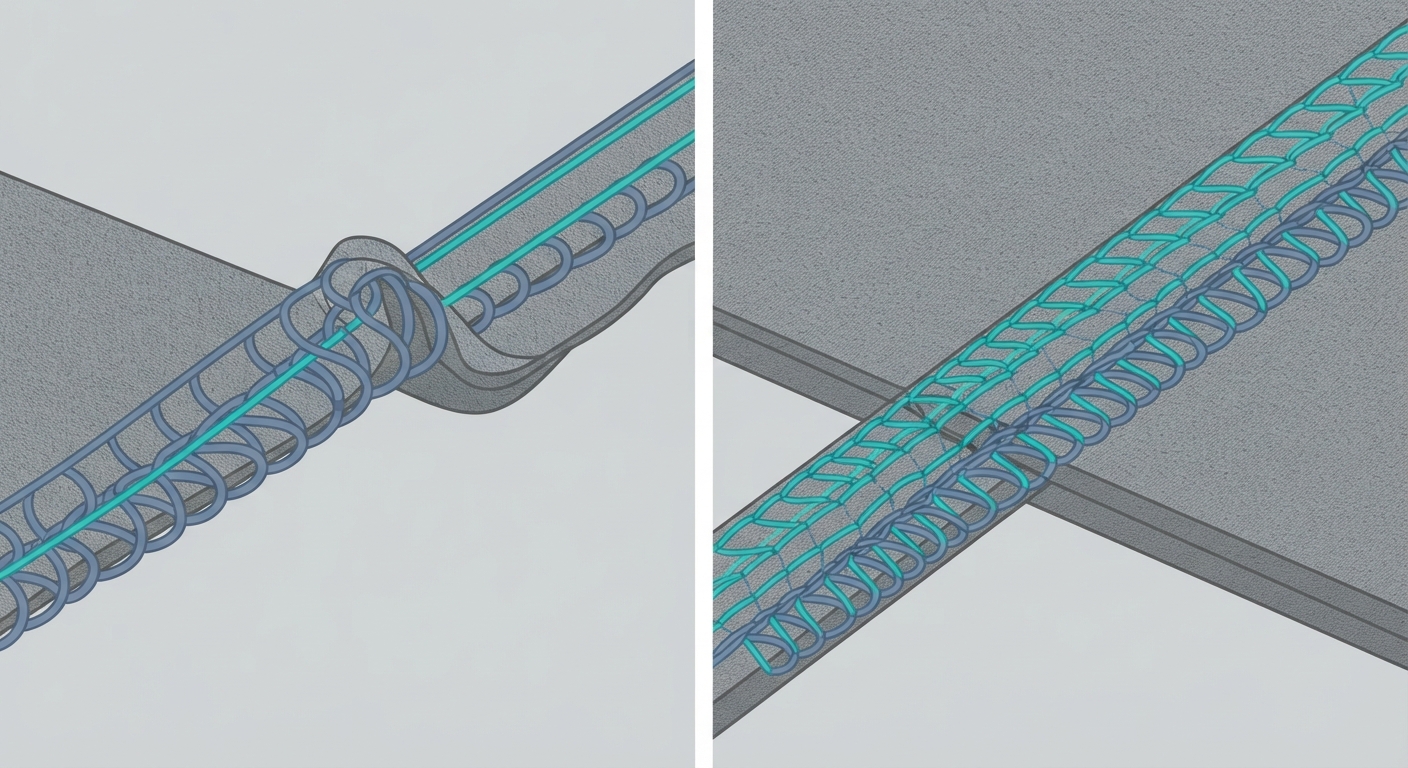
High-performance leggings require specialized machinery. When reviewing potential partners, verify if they use flatlock stitching or four-needle six-thread machines. This technique ensures flat, comfortable, and highly durable seams that survive intense workouts.
Fabric Sourcing and Customization
Your fabric choice defines your product’s success. Look for manufacturers with a wide fabric library, including nylon-spandex blends, recycled polyester, and 4-way-stretch compression textiles. When I helped Sarah Chen compare fabric options for her brand’s new yoga line, we focused on finding buttery-soft brushed fabrics that maintained shape retention after multiple wash cycles.
| Evaluation Metric | Basic Supplier | Premium Leggings Manufacturer |
|---|---|---|
| Stitching Methods | Standard overlock seams | Flatlock, four-needle six-thread seams |
| Fabric Innovation | Standard polyester blends | Recycled nylon, OEKO-TEX certified, 4-way stretch |
| Quality Control | Final inspection only | Inline inspection at cutting, sewing, and packing |
| Customization | Limited colors and patterns | Custom waistbands, pockets, branding, and sizing |
How Do Sustainable Practices Impact Your Leggings Production?
Brands face growing pressure from consumers to prove their environmental responsibility, but finding factories that actually practice what they claim is difficult. Greenwashing risks can damage your brand reputation overnight.
Prioritize manufacturers that use certified sustainable fabrics, such as GOTS-certified organic cotton or GRS-recycled polyester1, and operate in ethically audited facilities.
Verified Eco-Friendly Materials
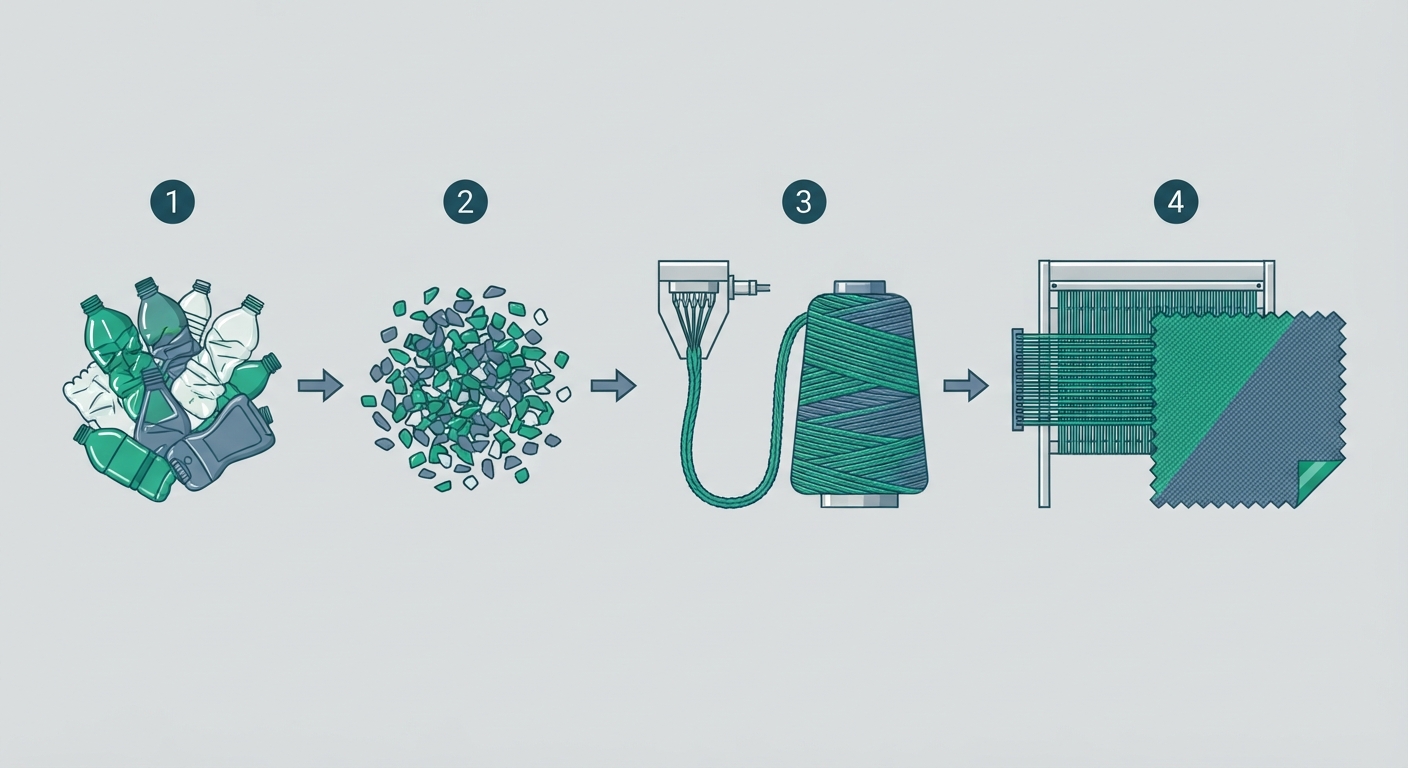
Over 57% of activewear brands are adopting recycled or sustainable materials to meet consumer expectations. When sourcing, ask for transaction certificates for recycled yarns. This ensures your recycled polyester or nylon leggings are genuinely eco-friendly and traceable.
Ethical Factory Standards
Sustainable production goes beyond fabrics; it includes fair labor. Look for manufacturers that partner with Fair Trade certified factories or hold BSCI audits. These credentials prove that the workers making your garments work in safe conditions and receive fair wages.
How to Manage Customization and Maintain Brand Aesthetic?
Translating a complex design concept into a physical garment often results in fit issues, incorrect logo placement, or poor waistband tension. These errors delay your launch and waste development budgets.
Work with manufacturers that provide comprehensive OEM and ODM services, detailed tech pack2 reviews, and a structured sampling process before mass production.
The Importance of Tech Packs
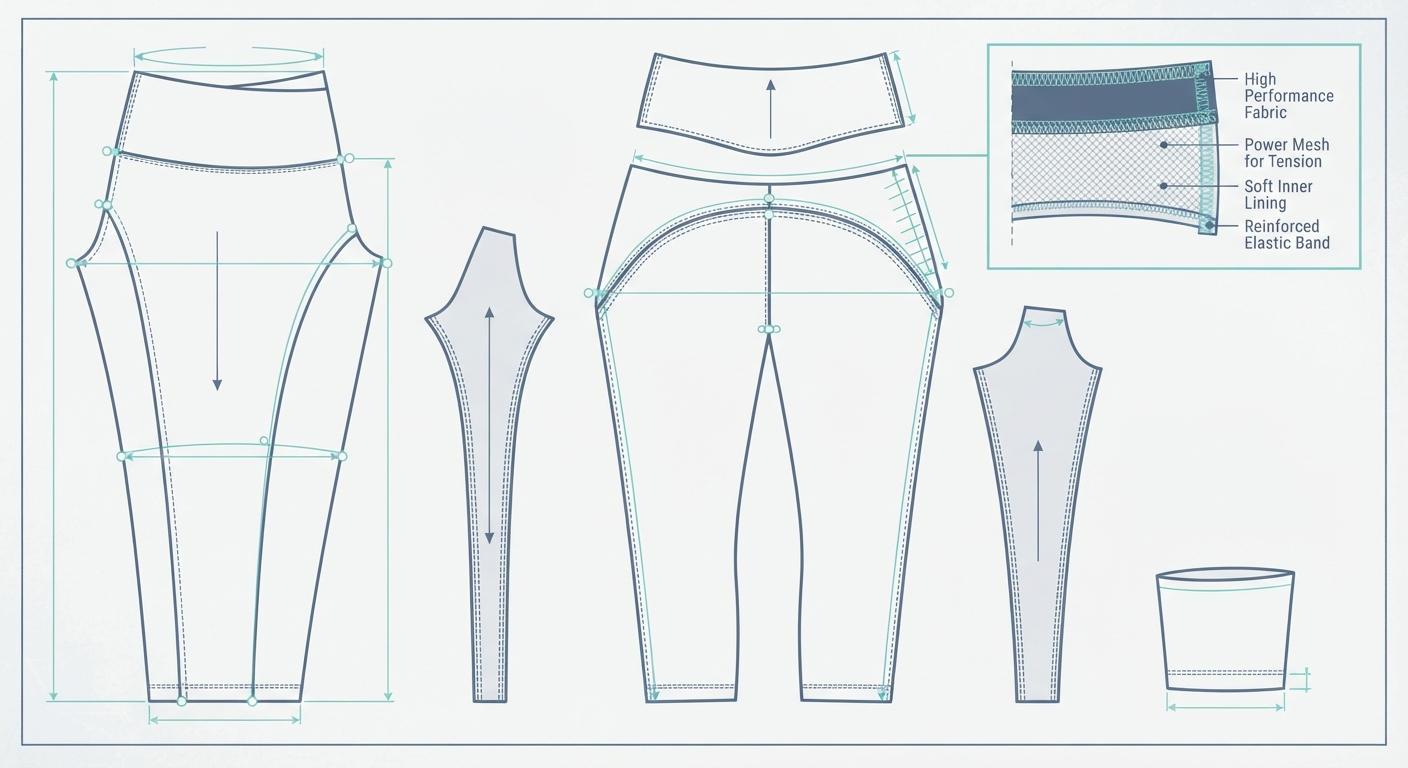
A detailed tech pack is the foundation of accurate customization. It must specify fabric weight, spandex percentage, exact measurements, grading rules, and placement for logos or pockets. During my collaborations with product developers, we spend significant time refining the waistband tension in the tech pack to prevent sliding during wear.
Sampling and Prototyping
Never skip the physical sampling phase. Request pre-production samples to test the fit, fabric stretch, and seam strength. This step allows you to make necessary adjustments to the pattern before fabric cutting begins, saving time and fabric waste.
How to Balance Lead Times, MOQs, and Production Costs?
High minimum order quantities (MOQs) restrict cash flow, while long lead times make it impossible to react quickly to market trends or restock bestsellers.
Select a manufacturer that offers flexible MOQs for custom designs alongside a realistic, transparent production schedule.
Understanding Lead Times
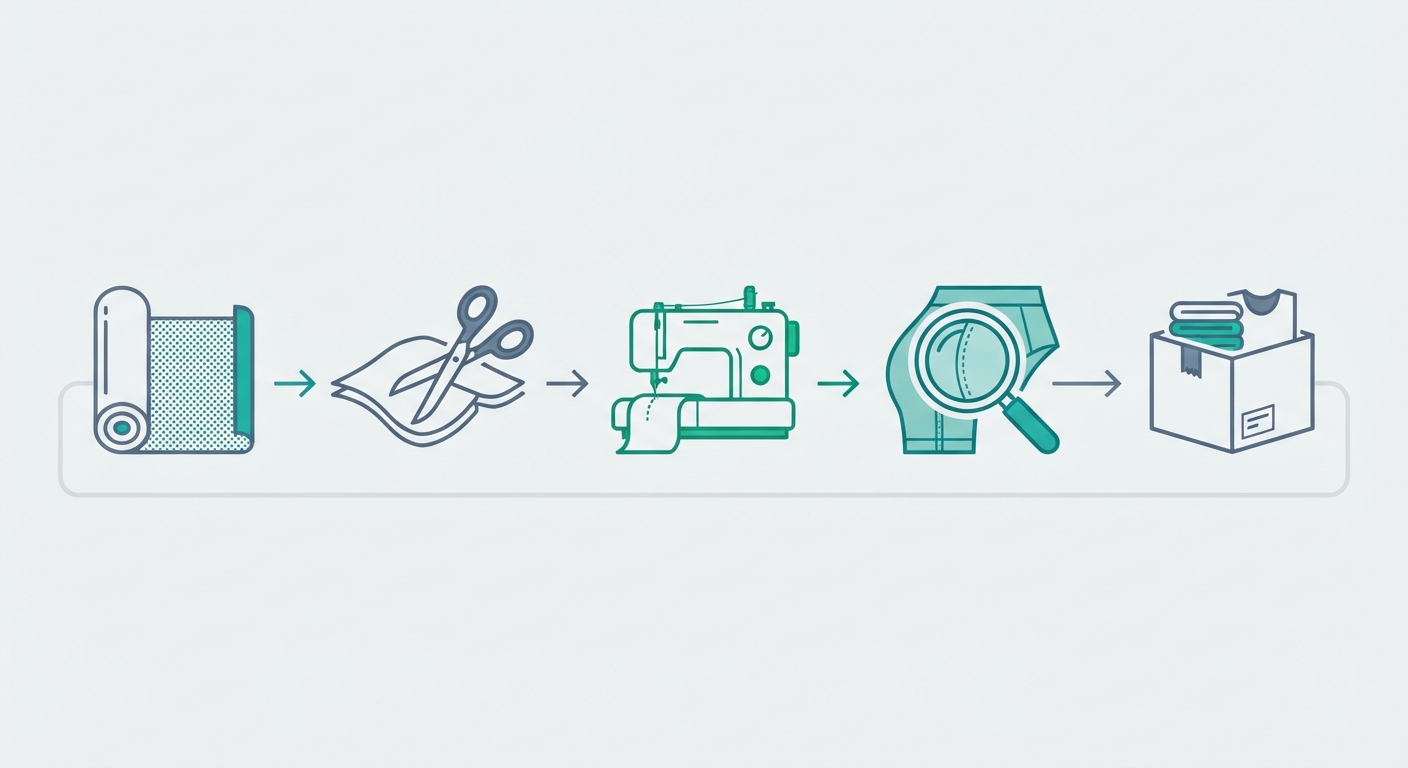
Standard production lead times for custom leggings typically range from 30 to 45 days after sample approval, depending on fabric availability. Ensure your manufacturer provides a weekly progress report so you can monitor cutting, sewing, and packaging milestones.
While larger factories require high MOQs to keep costs low, flexible manufacturers can offer tiered pricing. This allows you to test new colors or styles with smaller initial runs before committing to high-volume production.
Conclusion
Choosing the right leggings manufacturers requires verifying technical stitching, fabric certifications, and quality control processes to ensure your activewear brand delivers consistent, high-performing products on time.
-
GOTS-certified organic cotton or GRS-recycled polyester – Source: Which Fabric Is Best for Your New Leggings Brand?. ↩
-
detailed tech pack – Source: Custom Leggings Manufacturer – USA Private Label OEM. ↩