
Feeling lost in a sea of fabric options? Choosing the wrong material can lead to unhappy customers and bad reviews, hurting your brand before it even starts.
The "best" fabric for leggings depends entirely on their intended use. For intense workouts, polyester or nylon blends1 are superior for their durability2 and moisture-wicking. For casual, everyday comfort, cotton blends3 offer unmatched softness and a natural feel. Your choice must match your customer's needs.
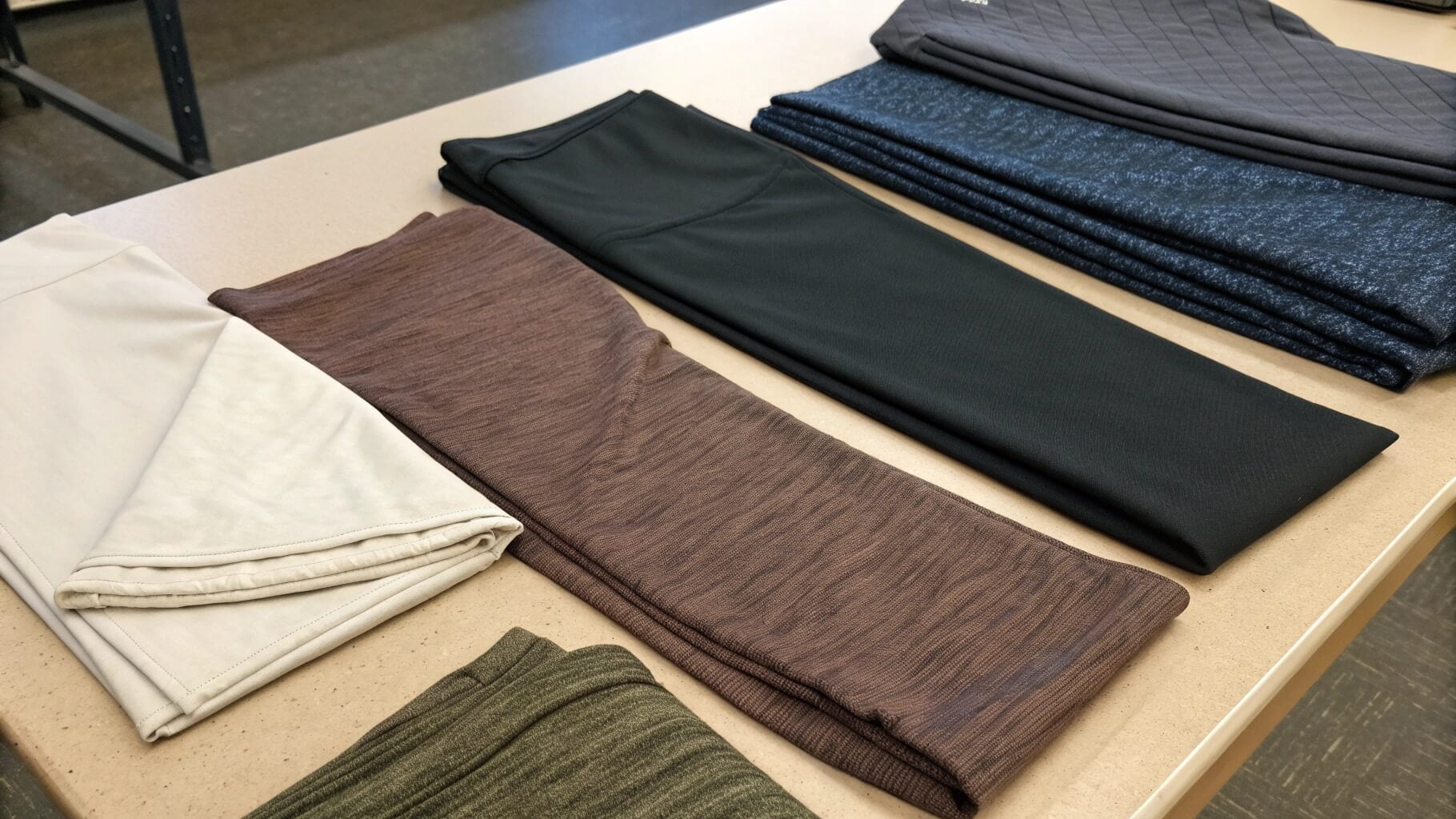
In my years of manufacturing garments, I've learned a simple truth: there is no single "best" fabric. It's like asking a chef for the single best ingredient. The right choice always depends on the final dish you want to create. For you, as a brand owner, the "dish" is the experience you want to give your customer. Are you making leggings for a high-performance athlete4 or for someone who wants to be comfortable while running errands? The answer to that question is the key to choosing the right fabric. Let's look at the most common options so you can make an informed choice for your brand.
Are Cotton Leggings a Better Choice Than Polyester?
Customers often say they want soft, natural clothes. But cotton can fail them during a workout, leading to complaints. You need to understand the trade-offs to avoid costly mistakes.
Cotton leggings are superior for softness and everyday comfort, making them perfect for lounge or casual wear. Polyester leggings are better for performance due to their durability2, sweat-wicking properties, and ability to hold shape, making them the clear choice for activewear5.
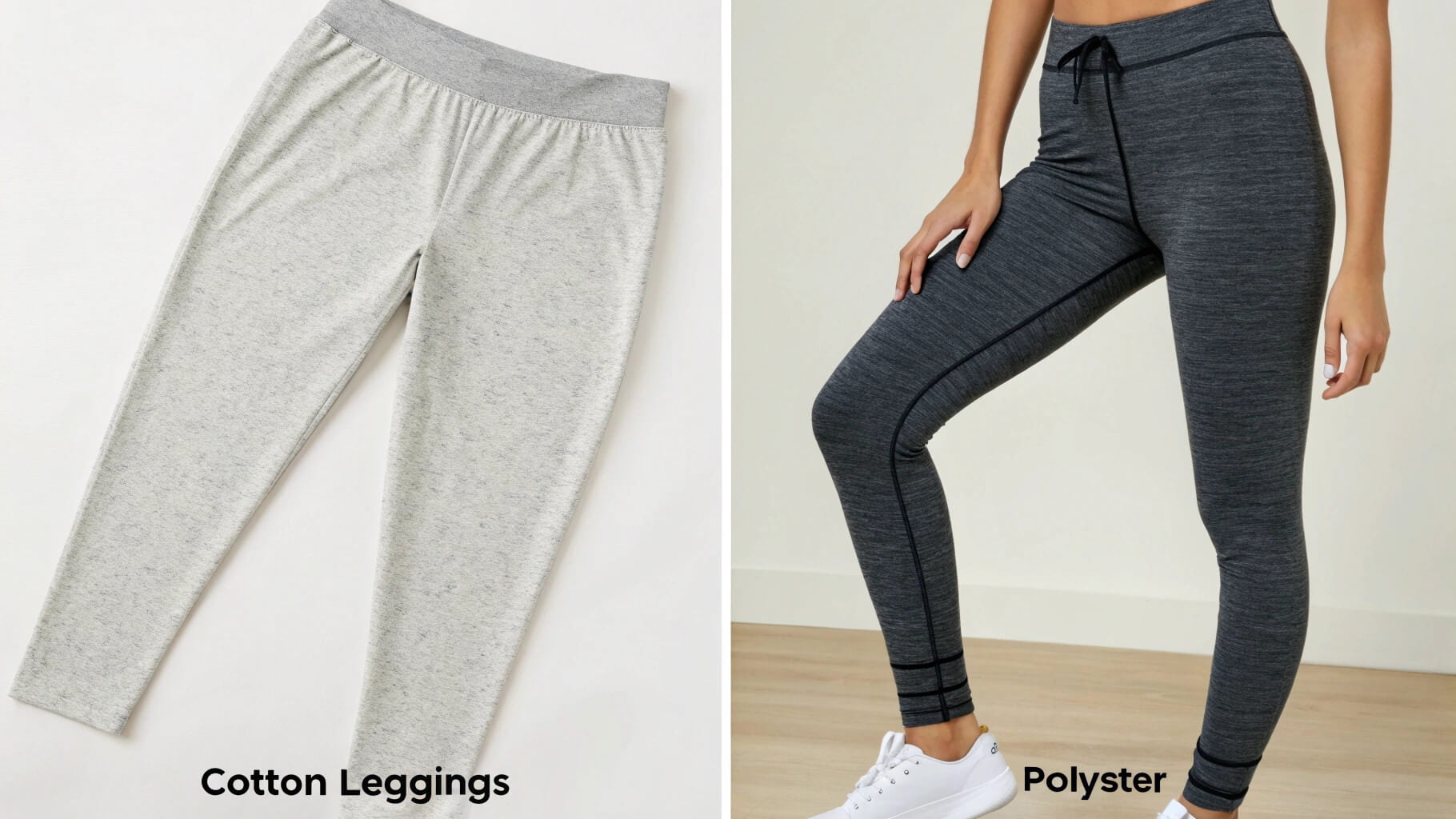
This is the classic debate between everyday comfort and technical performance. When you are deciding between these two, you are really deciding the main purpose of your leggings. I always advise new brand owners to be very clear about this from the beginning. Trying to be everything to everyone is a common mistake. Instead, focus on serving one need exceptionally well. Natural fibers like cotton feel amazing against the skin. They are breathable and soft, which is what people want for casual wear. But the moment you start sweating, that changes. Cotton absorbs moisture and becomes heavy, slow to dry, and can lose its shape. Polyester, on the other hand, was engineered for sports. It's strong, it pushes sweat away from the body to keep you dry, and it holds up to repeated washing.
Natural Feel vs. Technical Performance
Let's break down the key differences to make the choice clearer.
| Feature | Cotton/Spandex Blend | Polyester/Spandex Blend |
|---|---|---|
| Best For | Lounging, casual wear, light yoga | Running, gym workouts, high-intensity sports |
| Feel | Very soft, natural, breathable | Smooth, technical, can feel less soft |
| Performance | Absorbs sweat, gets heavy, dries slowly | Wicks moisture, dries quickly, lightweight |
| Durability | Can shrink, wrinkle, and lose shape | Resists shrinking and wrinkling, holds shape |
| Eco-Friendliness | Natural fiber, biodegradable | Can use recycled polyester6 (GRS certified) |
Should Your Leggings Have More or Less Spandex?
You want your leggings to have amazing stretch. But adding more spandex increases your costs. You have to find the right balance for performance without ruining your budget.
More spandex (15-25%) provides high compression and four-way stretch, perfect for performance leggings. Less spandex (5-10%) offers a comfortable, gentle stretch for casual wear. The right amount depends on the desired fit, function, and final price point.
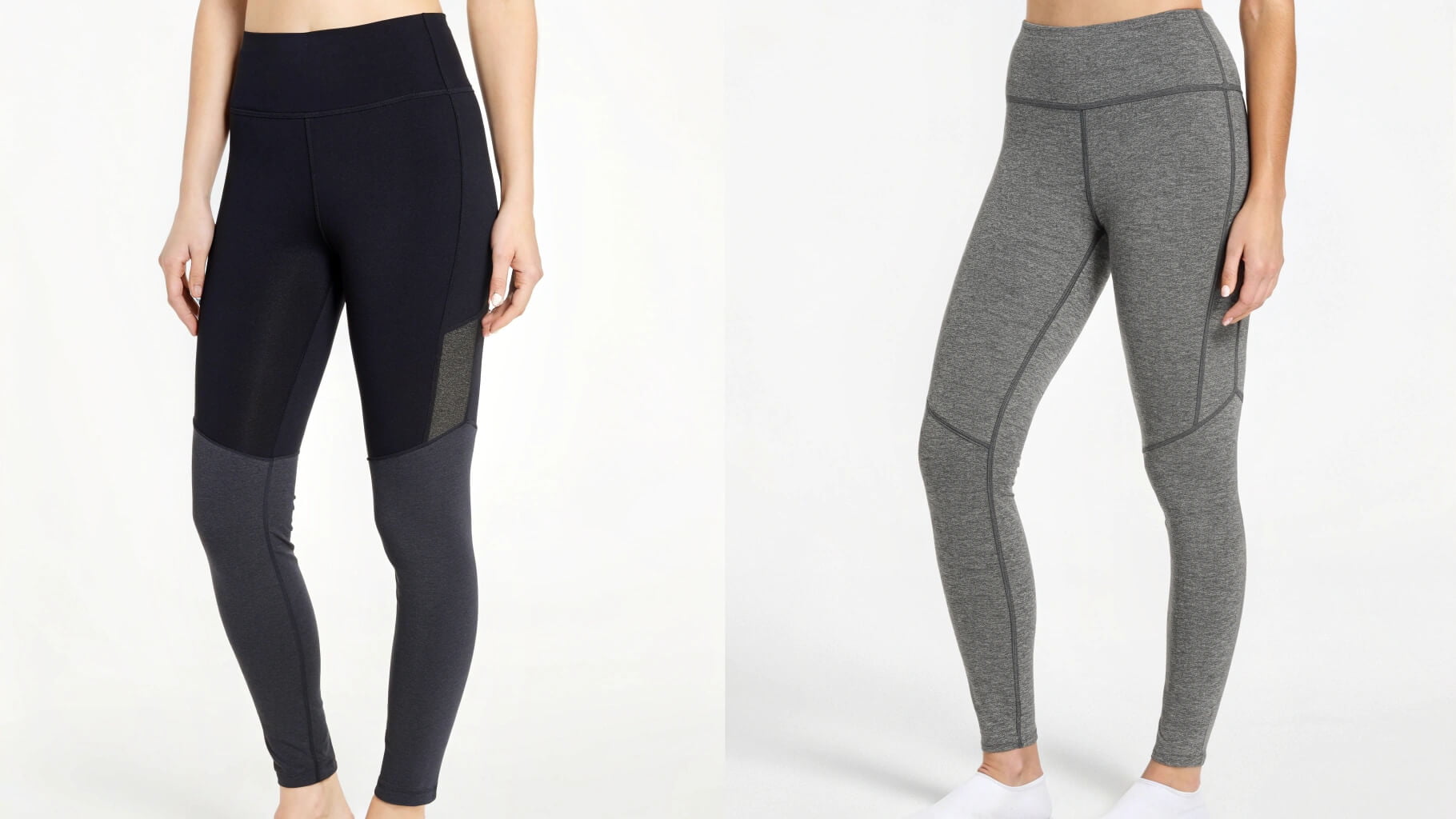
Spandex is the magic ingredient that gives leggings their stretch and recovery, which means they snap back into shape. The percentage of spandex in the fabric blend is one of the most important decisions you will make because it affects fit, performance, and cost. For leggings meant for serious athletic activity, a higher spandex content7 is necessary. It provides compression, which supports muscles, and ensures the leggings move with the body without becoming baggy. For everyday leggings, a lower amount of spandex provides enough stretch to be comfortable without being restrictive. I also want to mention LYCRA® brand spandex8. It is a premium, high-performance option that is more durable and has better stretch than generic spandex. It's more expensive, but for a high-end activewear line, it's worth it. Just be sure your manufacturer can provide the official LYCRA® hangtags as proof.
Spandex: The Key to Stretch and Price
Think of spandex content7 as a dial you can turn up or down based on your brand's goals.
- Low Spandex (5-10%):
- Use Case: Casual, everyday leggings.
- Feel: Soft stretch, comfortable, not compressive.
- Cost: More affordable.
- High Spandex (15-25%):
- Use Case: Performance activewear9, compression leggings10.
- Feel: Firm, supportive, holds you in.
- Cost: Higher, especially with premium spandex like LYCRA®.
Which Is Better for Activewear: Nylon or Polyester Leggings?
Nylon and polyester seem so similar on paper. Choosing between them can feel like a guess. But picking the wrong one affects the feel and performance your customers expect.
Neither is absolutely "better"; they serve different activewear needs. Nylon often feels softer and silkier, giving a more luxurious feel. Polyester is typically more affordable, highly durable, and better at wicking moisture. Your choice depends on the hand-feel and price you want to offer.
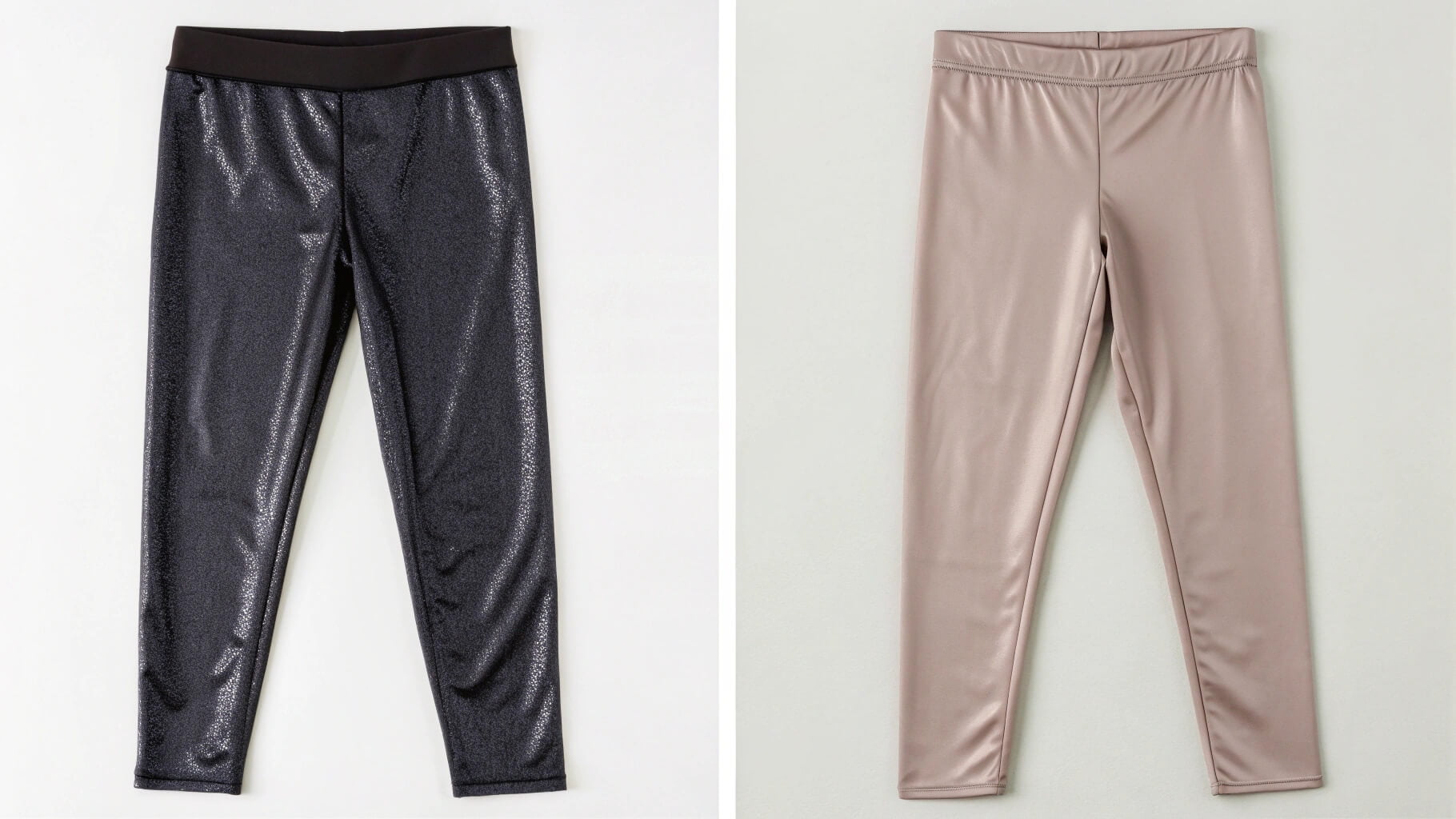
This is a question I get all the time from new sportswear entrepreneurs. Nylon and polyester are the two workhorses of the activewear world. Both are strong, durable synthetic fabrics that are great for sports. The main difference often comes down to the feel, or what we in the industry call "hand-feel." Nylon generally has a softer, smoother, silkier feel than polyester. Many premium brands prefer it for this reason. Polyester, however, is a true champion when it comes to moisture management. It repels water and dries incredibly fast. It's also usually more affordable than nylon. It's important to know that not all polyesters are the same. There are advanced versions like Coolmax® or Nike's Dri-FIT®, which are polyester-based but have special fiber structures to improve breathability11 and moisture-wicking even more. As a brand, you can choose the standard option or invest in these advanced fabrics to give your customers extra performance.
Comparing the Workhorses of Activewear
Here’s a direct comparison to help you decide.
| Feature | Nylon/Spandex Blend | Polyester/Spandex Blend |
|---|---|---|
| Hand-Feel | Softer, smoother, often feels more premium | Can be slightly less soft, but highly variable |
| Durability | Excellent strength and abrasion resistance | Excellent strength and abrasion resistance |
| Moisture-Wicking | Good | Excellent, dries faster |
| Cost | Generally more expensive | More cost-effective |
| Best For | Brands wanting a premium, soft feel | Brands focused on maximum moisture management and value |
Conclusion
The best fabric is the one that meets your specific customer's needs and aligns with your brand's promise. Choose wisely based on function, feel, and your unique identity.
Explore the advantages of polyester and nylon blends for durability and moisture-wicking in activewear. ↩
Understand how fabric durability impacts the longevity and performance of activewear. ↩
Discover why cotton blends are favored for their softness and comfort in everyday clothing. ↩
Explore the best fabric options tailored for high-performance athletes and their needs. ↩
Understand the key features that define quality activewear fabrics for optimal performance. ↩
Learn about the eco-friendly advantages of using recycled polyester in activewear. ↩
Understand the impact of spandex content on fit, performance, and comfort in leggings. ↩
Find out why LYCRA® is a premium choice for high-performance activewear. ↩
Discover expert insights on the best fabrics for performance activewear to ensure your leggings deliver top comfort, durability, and sweat control. ↩
Discover the benefits of compression leggings for performance and muscle support. ↩
Explore the significance of breathability in activewear for comfort during workouts. ↩